Summary:
Your windshield expands and contracts with temperature changes, just like everything else. But here’s the catch: damaged glass can’t handle that stress the same way intact glass can. When Suffolk County temperatures spike into the 80s and 90s, that tiny chip becomes a weak point where all the expansion pressure concentrates.
Think of it like a small tear in fabric. Pull on intact fabric and it stretches evenly. But pull on fabric with even a tiny tear, and that weak spot takes all the stress until it rips completely. Your windshield works the same way, except the “pulling” happens automatically every time the sun heats up your car.
Suffolk County’s climate creates a perfect storm for windshield damage. Summer temperatures regularly swing from cool mornings in the 60s to blazing afternoons in the 90s. That’s a 30-degree temperature swing putting stress on your windshield twice daily.
Add in the humidity we get from being surrounded by water, and you’ve got moisture getting into those chips and expanding when it heats up. It’s like having a tiny hydraulic jack working against your windshield from the inside. The bigger the temperature swings, the faster that chip spreads.
But it’s not just summer heat you need to worry about. Air conditioning creates its own problems. When you blast cold air on a windshield that’s been baking in the sun, you’re creating rapid temperature changes that stressed glass simply can’t handle. That’s why you’ll often see cracks appear right after someone gets in their car and cranks the AC on a hot day.
Winter isn’t any easier on damaged windshields. Ice scraping, defrosting, and heating systems all create the same expansion and contraction cycles. A chip that survives summer might not make it through the first hard freeze. The key is understanding that any significant temperature change puts stress on damaged glass.
Suffolk County’s climate creates a perfect storm for windshield damage. Summer temperatures regularly swing from cool mornings in the 60s to blazing afternoons in the 90s. That’s a 30-degree temperature swing putting stress on your windshield twice daily.
Add in the humidity we get from being surrounded by water, and you’ve got moisture getting into those chips and expanding when it heats up. It’s like having a tiny hydraulic jack working against your windshield from the inside. The bigger the temperature swings, the faster that chip spreads.
But it’s not just summer heat you need to worry about. Air conditioning creates its own problems. When you blast cold air on a windshield that’s been baking in the sun, you’re creating rapid temperature changes that stressed glass simply can’t handle. That’s why you’ll often see cracks appear right after someone gets in their car and cranks the AC on a hot day.
Winter isn’t any easier on damaged windshields. Ice scraping, defrosting, and heating systems all create the same expansion and contraction cycles. A chip that survives summer might not make it through the first hard freeze. The key is understanding that any significant temperature change puts stress on damaged glass.
Want live answers?
Connect with a First Class Auto Glass expert for fast, friendly support.
The short answer is immediately, but let’s be realistic about what that actually means. You don’t need to panic and pull over the second you notice a chip, but you shouldn’t wait for your next oil change either. Most windshield damage in Suffolk County should be addressed within a week of when you first notice it.
Size matters, but it’s not the only factor. Location is just as important. A small chip directly in your line of sight needs immediate attention, both for safety and because that’s where temperature stress concentrates most. Chips near the edges of your windshield can spread faster because there’s less glass to distribute the stress.
You don’t have to guess whether your windshield damage is getting worse. There are clear warning signs that a chip is about to turn into a crack that requires full windshield replacement.
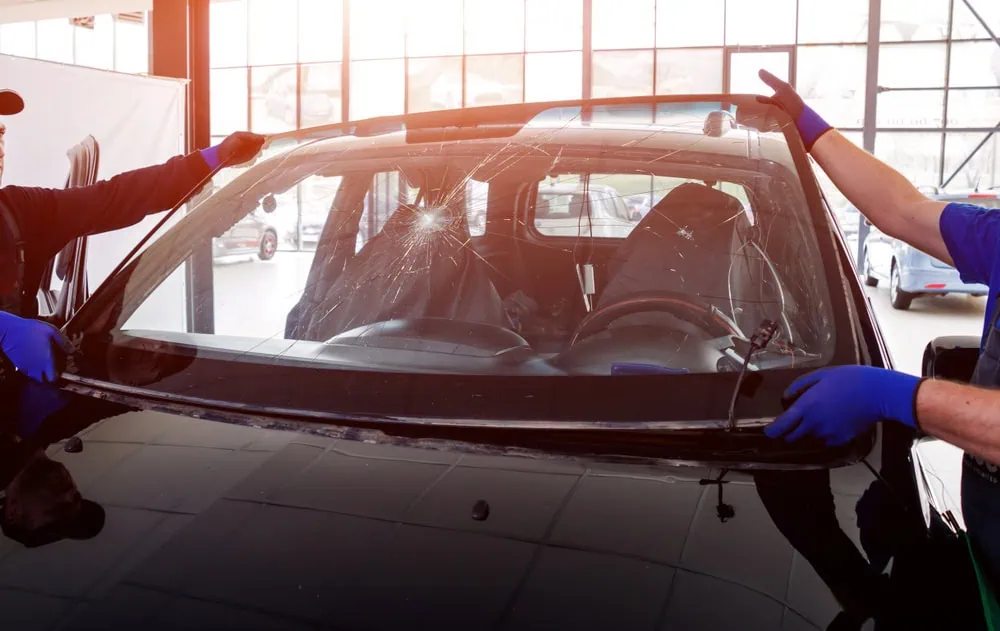
First, look for any lines extending from the chip, even tiny ones. These stress lines usually appear before the actual crack becomes visible. They look like spider web patterns or thin lines radiating out from the main damage point. Once you see these, you’re probably looking at days, not weeks, before the crack spreads.
Changes in the chip’s appearance also signal trouble. If it’s collecting more dirt, looks cloudier, or seems to be getting deeper, moisture and debris are getting in and creating pressure. This is especially common after rain or car washes when water gets forced into the damage.
Temperature-related spreading often happens in predictable patterns. Horizontal cracks tend to spread across your field of vision, while vertical cracks usually run up or down. If you notice the chip changing shape or developing “legs” in any direction, that’s active spreading that won’t stop on its own.
The “dollar bill test” gives you a quick reference point. If the damage is larger than a dollar bill, most auto glass repair shops won’t be able to fix it effectively. But don’t wait until it reaches that size – repair success rates drop significantly once damage gets bigger than a quarter.
Sometimes you catch windshield damage at the worst possible time – late Friday afternoon, middle of a family vacation, or during a busy work week when you can’t immediately get to a repair shop. While you shouldn’t delay professional windshield repair in Suffolk County for long, there are temporary measures that can slow crack spreading.
Temperature control is your biggest ally. Park in shade whenever possible, and avoid dramatic temperature changes inside your car. That means no blasting the AC immediately after getting into a hot car, and no cranking the heat on a cold windshield. Gradual temperature changes put less stress on damaged glass.
Keep the damage clean and dry. Water, dirt, and debris in the chip create pressure points that accelerate spreading. Some people use clear tape over small chips to keep moisture out, but be careful not to press hard enough to stress the glass further. The goal is protection, not pressure.
Avoid slamming doors, playing loud music with heavy bass, or driving on rough roads more than necessary. Vibration travels through your car’s frame and can trigger crack spreading in already-weakened glass. This doesn’t mean you need to drive like you’re transporting eggs, but be aware that stressed glass is sensitive to additional impacts.
If you’re dealing with a crack that’s already started spreading, resist the urge to try DIY windshield repair kits from auto parts stores. These rarely work on active cracks and can actually make the damage worse by introducing air bubbles or incompatible materials. Professional auto glass repair in Suffolk County uses specialized tools and resins that match your windshield’s properties.
The bottom line is simple: small windshield damage doesn’t stay small in Suffolk County’s climate. Heat, humidity, and temperature swings turn minor chips into major headaches faster than most people expect. But here’s the good news – quick action saves both money and hassle.
Professional windshield repair costs a fraction of full replacement and usually takes under an hour. Most insurance companies cover chip repair completely because they’d rather pay for a small fix now than a full windshield replacement later. The key is acting while the damage is still repairable.
If you’re dealing with windshield damage in Suffolk County, don’t wait for it to get worse. We at First Class Auto Glassbring professional repair service directly to you, whether you’re at home, work, or anywhere else on Long Island. With over 20 years of experience and a lifetime warranty on repairs, we can get you back to your routine without the worry of watching that chip turn into an expensive problem.
Article details:
Share:
Continue learning: