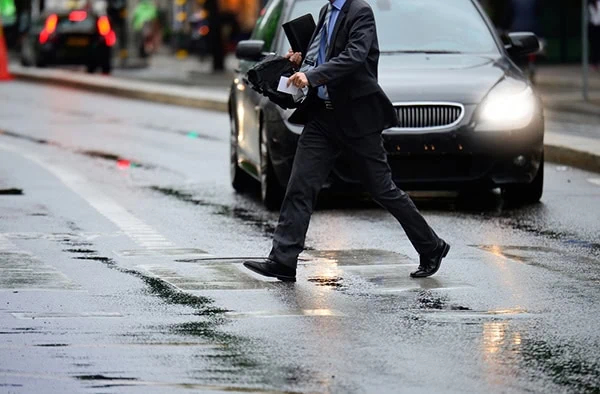
Wondering if that chip or crack needs repair or full replacement? Size, location, and depth all matter—and knowing the difference can save you money and keep you safe.
Share:
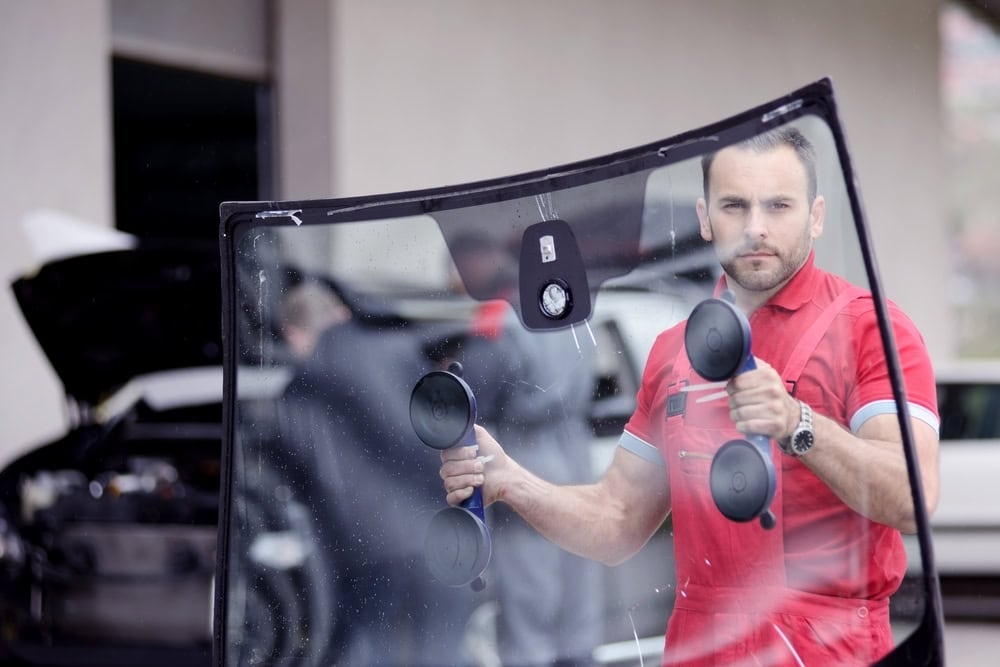
Summary:
Not every chip or crack means you need a new windshield. If the damage is small enough and in the right spot, repair is usually the smarter move. It’s faster, costs less, and keeps your original factory glass intact.
We can repair chips smaller than a quarter and cracks shorter than three to six inches. The key is catching it early. A rock chip that’s repairable today can spread into a full crack by next week, especially with Long Island’s temperature swings and road vibrations.
Repair works by injecting a specialized resin into the damaged area. The resin bonds with the glass, restores structural integrity, and stops the damage from spreading. The process takes about 30 minutes, and in most cases, the repair becomes nearly invisible once it’s cured.
The size of your chip or crack is the first thing we check. Industry standards are pretty clear: chips under one inch in diameter are almost always repairable. Cracks under six inches can often be fixed, depending on their shape and location.
Different types of damage have different names. A bullseye is a circular chip with a cone-shaped divot. A star break has multiple cracks radiating from a central point. A combination break mixes both patterns. All of these can typically be repaired if they’re caught before they spread.
The depth matters just as much as the size. Your windshield has two layers of glass with a plastic layer sandwiched in between. If the damage only affects the outer layer, repair usually works. But if the crack penetrates through to the inner layer or reaches the plastic interlayer, you’re looking at replacement. That inner layer is what holds everything together in a crash, so compromising it isn’t an option.
Chips and cracks also behave differently based on temperature. Cold weather makes glass contract and become brittle, which can turn a small chip into a spreading crack overnight. Summer heat causes expansion, putting stress on already-damaged areas. That’s why waiting even a few days can change your repair into a replacement.
The windshield crack repair cost for a simple fix typically runs $50 to $150. Many insurance policies in New York cover windshield chip repair with zero deductible. Compare that to $200 to $600 for a full replacement—or over $1,000 if your car has advanced safety features that need recalibration. The math makes sense, but only if you act before the damage spreads.
Where the damage sits on your windshield can be just as important as how big it is. A chip in the corner might be repairable. That same chip directly in your line of sight probably isn’t.
The driver’s critical viewing area is the section of windshield directly above the steering wheel, extending about two inches from the top and one inch from each side. Any damage in this zone can distort your vision, even after it’s repaired. The resin used in repairs restores strength, but it doesn’t make the damage completely disappear. That slight distortion might be invisible on the passenger side, but right in front of your face, it becomes a safety issue.
Edge cracks are another problem. If a crack starts within two inches of the windshield’s edge, it compromises the structural bond between the glass and the frame. Edge cracks spread fast because that area already has residual stress from the manufacturing process. Once a crack reaches the edge, replacement is the only safe option.
Damage near sensors and cameras also changes the equation. If your car has a forward-facing camera mounted behind the rearview mirror, any damage in that area can interfere with the system’s view. Lane departure warnings, automatic emergency braking, and adaptive cruise control all rely on a crystal-clear view through the windshield. Even a perfect repair can cause enough distortion to throw off those systems.
New York State has specific rules about what passes inspection. If your windshield has a crack that’s 11 inches or longer and any part of it falls within the area cleared by your wipers, your vehicle will fail inspection. That means you can’t legally drive it until the windshield is replaced. Police can also ticket you if they determine the damage impairs your vision, even if your inspection is current.
Location also affects how quickly damage spreads. Cracks near the edges or in areas exposed to direct sunlight tend to grow faster. The black frit band around the perimeter of your windshield absorbs heat, which creates temperature differences that stress the glass. A crack that starts in that area can spider across your entire windshield in a matter of days.
Want live answers?
Connect with a First Class Auto Glass expert for fast, friendly support.
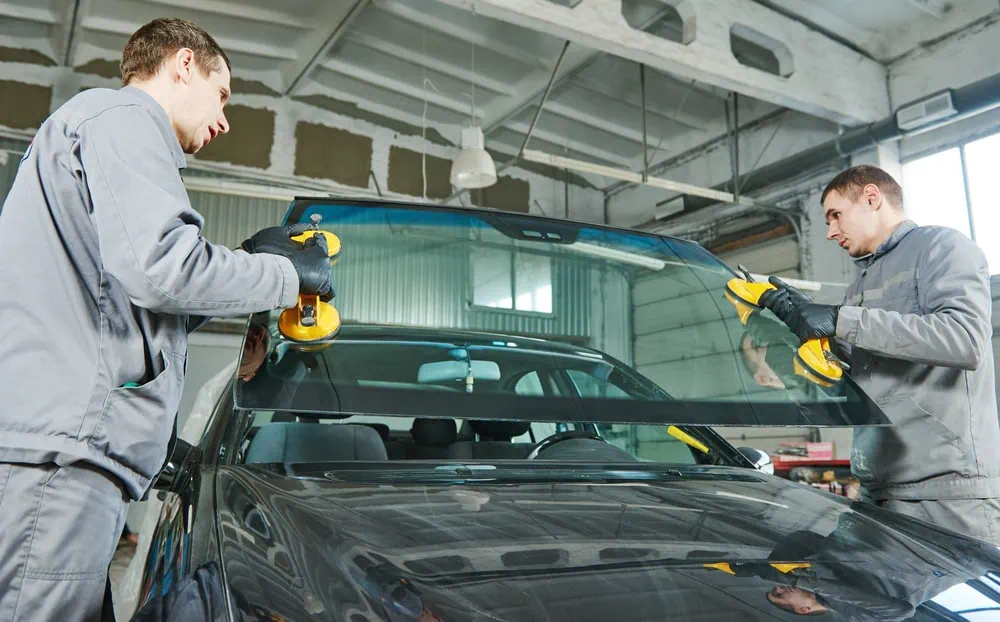
Some damage is beyond repair, and trying to fix it instead of replacing it puts you at risk. Replacement isn’t just about visibility—it’s about maintaining the structural integrity of your vehicle.
Your windshield does more than keep bugs off your face. It provides up to 45% of your vehicle’s structural strength in a front-end collision and up to 60% during a rollover. It also serves as the backstop for your passenger-side airbag. If the windshield is compromised, the airbag can’t deploy correctly, and the roof can’t hold up under the force of a rollover.
Understanding when the windshield repair vs replacement decision tips toward replacement helps you make the right call. Long cracks, multiple points of damage, or anything that obstructs the driver’s view all fall into this category.

If your crack is longer than six inches, repair isn’t going to cut it. At that length, the structural integrity of the glass is already compromised. The crack has likely spread through most of the outer layer and may have started affecting the plastic interlayer that holds the two sheets of glass together.
Multiple chips or cracks also push you toward replacement, even if each individual spot would qualify for repair on its own. Three or more damaged areas create weak points across the windshield. In a collision, the force follows the path of least resistance, and multiple repairs give it plenty of options. The windshield might hold up under normal driving, but it won’t perform the way it should in a crash.
Cracks that reach the edge of the windshield are automatic replacements. Once the damage extends to the perimeter, it breaks the seal between the glass and the frame. That seal is what keeps the windshield in place during an impact. Without it, the glass can pop out in a rollover, and the roof can collapse.
Damage in the driver’s direct line of sight usually means replacement, even if the crack is small. Repair resin restores strength, but it leaves a visible mark. That distortion might be barely noticeable in your peripheral vision, but when it’s right in front of you, it becomes a constant visual obstruction. It’s not just annoying—it’s dangerous, especially at night or in bad weather when visibility is already reduced.
If the crack penetrates both layers of glass or damages the plastic interlayer, there’s no saving it. The interlayer is what prevents the windshield from shattering into dangerous shards in a crash. Once that layer is compromised, the entire safety function of the windshield is gone. You’re not just looking at a cosmetic issue—you’re looking at a serious safety hazard.
Windshield replacement for a standard vehicle typically costs between $200 and $600. If your car has advanced driver assistance systems, add another $300 to $600 for ADAS calibration. That’s not optional. Nearly nine out of ten vehicles from model year 2023 and newer require recalibration after a windshield replacement to ensure the cameras and sensors work correctly.
Putting off a windshield replacement doesn’t just cost you money—it puts you and everyone in your vehicle at risk. A cracked windshield weakens the entire structure of your car, and the longer you wait, the worse it gets.
Temperature changes are your enemy. Long Island sees everything from summer heat waves to freezing winter nights. Glass expands when it’s hot and contracts when it’s cold. Every cycle puts stress on the damaged area, and cracks spread a little more each time. What starts as a manageable six-inch crack can turn into a spiderweb across your entire windshield in less than a week.
Road vibrations make it worse. Every pothole, speed bump, and rough patch of pavement sends vibrations through your car. Those vibrations travel through the frame and into the windshield. A damaged windshield can’t absorb that stress the way an intact one can, so the cracks keep spreading.
New York State requires annual safety inspections, and a cracked windshield will cause your vehicle to fail. If the crack is 11 inches or longer and any part of it is in the area cleared by your wipers, you’re not passing inspection. That means you can’t legally drive your car until the windshield is replaced. If you get pulled over, you’re looking at a ticket, points on your license, and potentially higher insurance premiums.
Beyond the legal issues, there’s the safety factor. A compromised windshield doesn’t provide the structural support your vehicle needs in a crash. In a rollover, the windshield is supposed to keep the roof from collapsing. If the glass is already cracked, it can’t do that job. The roof caves in, and the people inside take the impact.
The passenger-side airbag relies on the windshield as a backstop. When the airbag deploys, it needs something solid to push against so it can cushion the passenger. A cracked windshield can blow out under the force of the airbag, leaving the passenger with nothing but air between them and the dashboard.
Insurance companies know this, and some policies require prompt repair or replacement after damage occurs. If you delay and then get into an accident, your insurer might question whether the windshield damage contributed to the severity of the crash. That can complicate your claim and potentially affect your coverage.
Driving with a cracked windshield also affects your visibility. Even small cracks can create glare, especially when the sun hits them at certain angles. At night, headlights from oncoming traffic can reflect off the damaged area and temporarily blind you. That split second of impaired vision is all it takes for an accident to happen.
The bottom line is simple: if your windshield needs replacement, get it done. The cost of waiting is always higher than the cost of fixing it now.
Knowing whether your windshield can be repaired or needs replacement comes down to size, location, and depth. Small chips and short cracks in non-critical areas can usually be fixed. Large cracks, edge damage, and anything in your line of sight means it’s time for a new windshield.
The sooner you address windshield damage, the better your options. A chip that’s repairable today can turn into a full replacement by next week. Temperature changes, road vibrations, and daily driving all work against you.
If you’re dealing with windshield damage in Suffolk County, NY or Nassau County, NY, we bring over 20 years of experience directly to your location. Mobile service, expert repairs, full replacements with ADAS calibration, and a lifetime warranty—all backed by an owner who’s completed over 10,000 successful services.
Article details:
Share:
Continue learning: