ADAS calibration realigns your vehicle's safety cameras after windshield replacement. Without it, features like lane departure warning and automatic braking may fail when you need them most.
Share:
Summary:
ADAS stands for Advanced Driver Assistance Systems. These are the safety features built into most vehicles made after 2016—things like lane departure warning, adaptive cruise control, automatic emergency braking, and blind spot monitoring. They all rely on cameras, radar, and sensors to watch the road and react faster than you can.
ADAS calibration is the process of realigning those cameras and sensors so they’re aimed exactly where the manufacturer says they need to be. When a camera is off by even a fraction of a degree, it’s not looking at the road correctly anymore. It might miss a lane marking, misjudge the distance to the car ahead, or fail to trigger a warning when you need it.
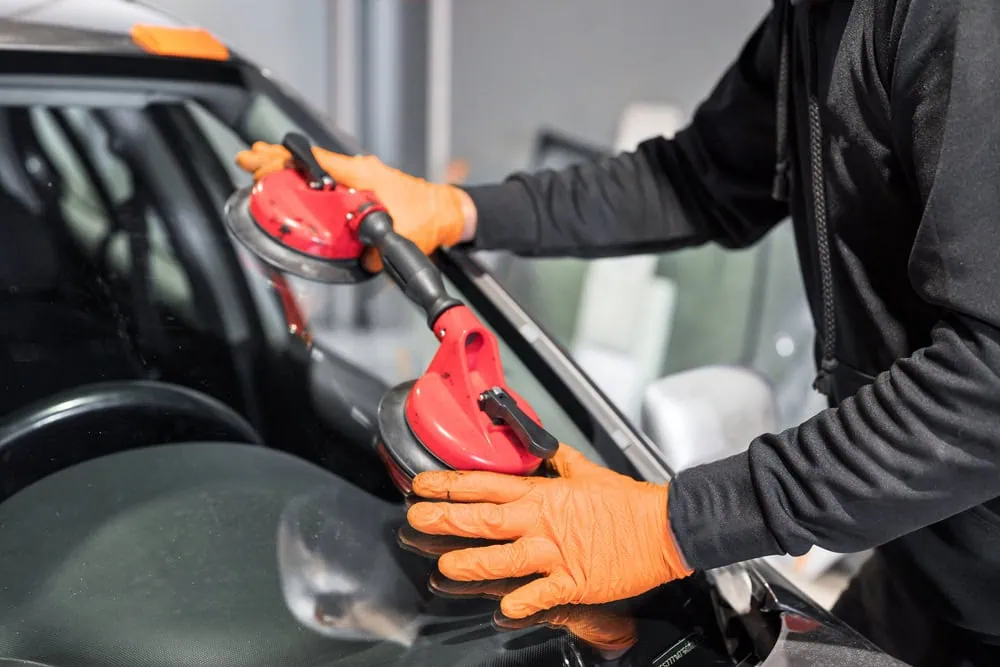
After a windshield replacement, the forward-facing camera that’s usually mounted behind your rearview mirror gets removed and reinstalled. That’s enough to change its angle, even slightly. Windshield camera calibration puts it back to factory specs so your safety systems work the way they’re supposed to.

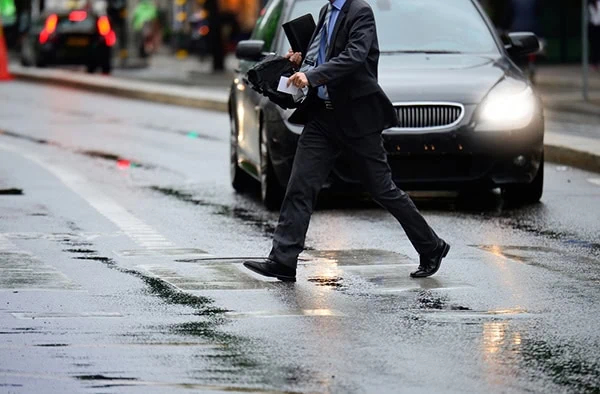
If you’ve ever driven the LIE during rush hour or merged onto the Northern State Parkway, you know how quickly conditions change. ADAS systems are designed to handle exactly those moments—the ones where a split second matters.
Lane departure warning monitors the lines on the road and alerts you if you start drifting without signaling. Automatic emergency braking detects a vehicle or obstacle ahead and applies the brakes if you don’t react in time. Adaptive cruise control adjusts your speed to keep a safe distance from the car in front of you, even in stop-and-go traffic. These aren’t luxury features anymore. They’re standard on most new cars, and they’ve been proven to prevent crashes and save lives.
But here’s the thing: they only work when the cameras and sensors are calibrated correctly. A camera that’s aimed too high might not see lane markings. One that’s aimed too low could miss a vehicle ahead. And because these systems don’t always throw a dashboard warning when they’re out of alignment, you might not even know there’s a problem until the system fails to respond when you need it.
That’s not a risk worth taking, especially on roads as busy as those in Suffolk and Nassau County. Proper lane departure camera calibration and system alignment isn’t about checking a box. It’s about making sure the technology you’re relying on actually works when a car cuts you off on Route 495 or when traffic stops suddenly on the Meadowbrook.
When your windshield is replaced, the camera mounted to it has to be removed. Even if the technician is careful, even if the new windshield is an exact match, the camera doesn’t go back in the exact same position it was before. Glass thickness can vary slightly. The mounting bracket might sit a fraction of a millimeter differently. The angle might shift by less than a degree.
That sounds minor, but at 100 feet down the road, a one-degree shift means your camera is now looking eight feet off from where it should be. Your lane departure system might not see the lane markings correctly. Your collision avoidance system might not detect a vehicle in time. Your automatic braking might trigger late—or not at all.
And here’s what makes it worse: most ADAS systems won’t tell you they’re out of alignment. No warning light. No error message. The system will keep running as if everything’s fine, but it’s using data from a camera that’s no longer aimed correctly. You won’t know there’s a problem until the moment the system doesn’t do what you expect it to.
That’s why ADAS calibration after windshield replacement isn’t optional. It’s not a recommendation or a nice-to-have. It’s a safety requirement. Every major vehicle manufacturer specifies that windshield camera calibration must be performed after glass replacement. It’s in the service manual. It’s part of maintaining the vehicle to factory standards. And it’s the only way to make sure your safety systems are actually keeping you safe.
Want live answers?
Connect with a First Class Auto Glass expert for fast, friendly support.
ADAS calibration isn’t something you can eyeball or estimate. It requires specialized equipment, manufacturer-specific procedures, and a controlled environment or specific driving conditions. There are two main types: static calibration and dynamic calibration. Some vehicles need one, some need the other, and some need both.
The type your vehicle requires depends on the make, model, and year. A certified technician will know which procedure to follow based on the manufacturer’s specifications. The ADAS calibration cost typically ranges from $300 to $600 when done through a qualified auto glass shop, compared to $500 to $1,200 at a dealership. Most comprehensive insurance policies cover calibration as part of windshield replacement, leaving you responsible only for your deductible.
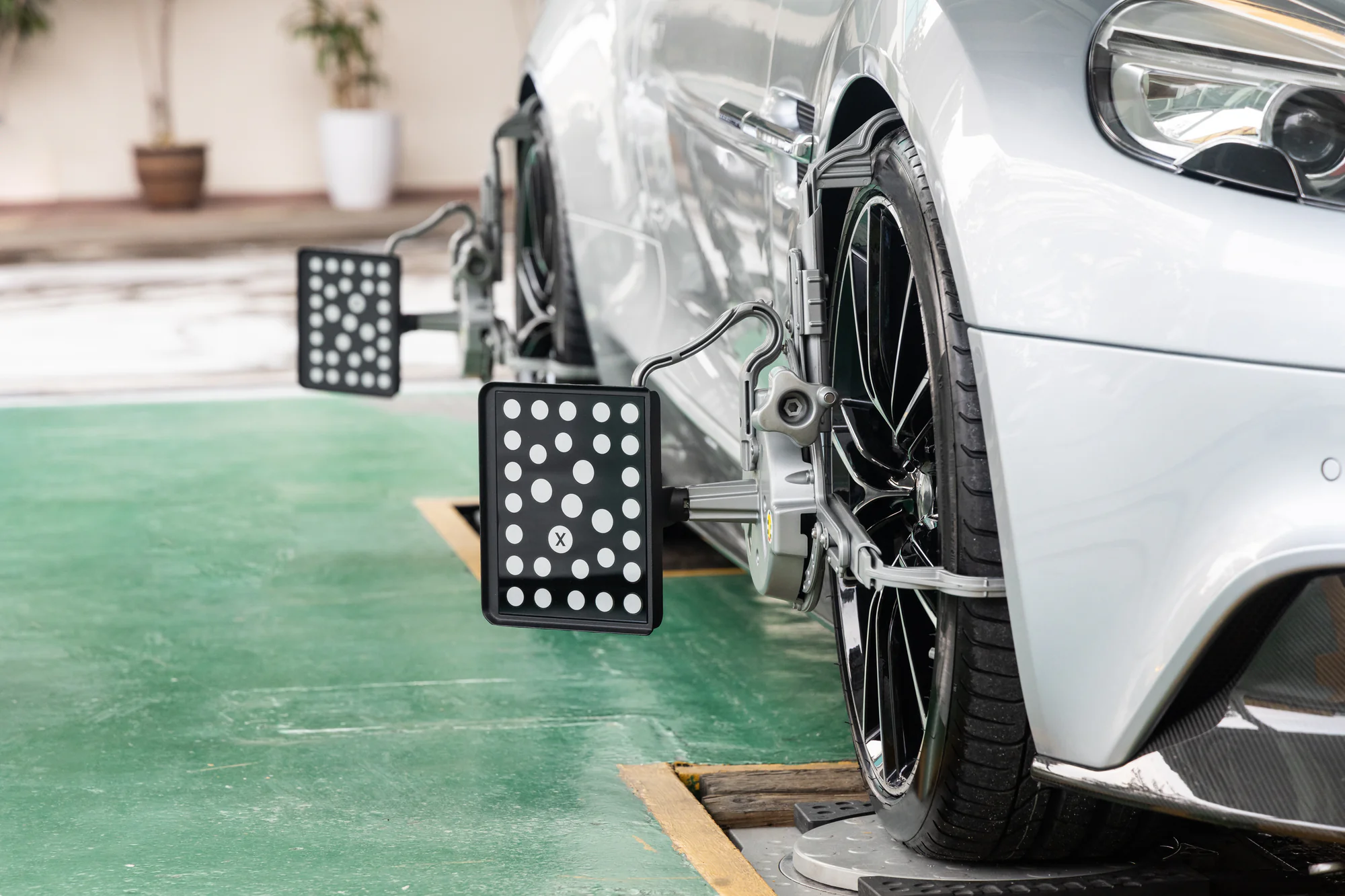
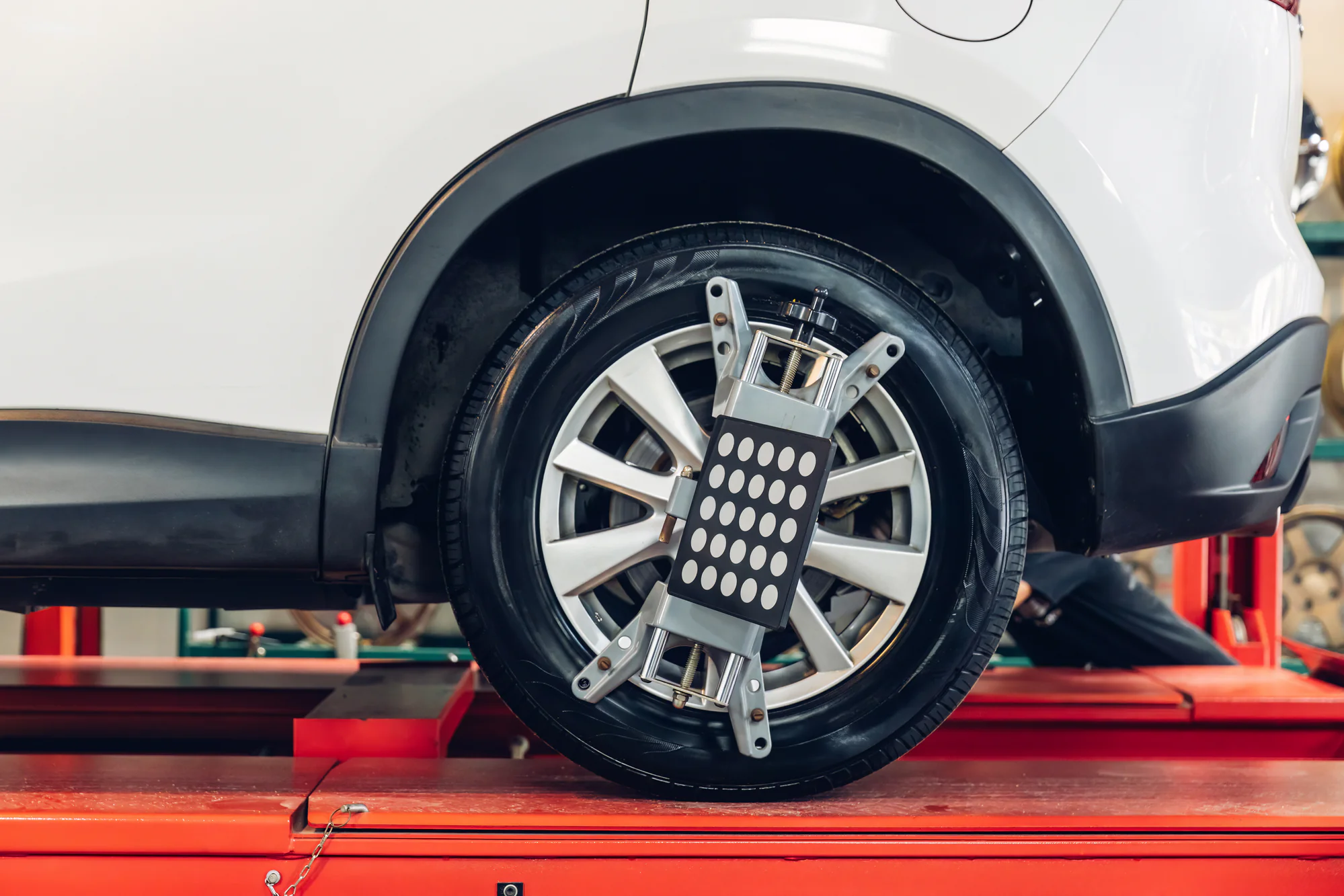
Static calibration happens in a shop while your vehicle is parked. The car is positioned on a level surface, and calibration targets—special boards with precise patterns—are set up at exact distances and angles in front of the vehicle. The technician connects diagnostic equipment to your car’s computer system and runs the calibration software.
The camera “looks” at the targets and uses them as reference points to reset its alignment. The process is precise. The floor has to be level. The lighting has to be controlled. The targets have to be positioned within millimeters of where the manufacturer specifies. Any deviation can affect the calibration.
Static calibration typically takes between 30 minutes and an hour, depending on the vehicle. It’s often used for systems like lane departure warning, forward collision warning, and automatic emergency braking. Brands like Toyota, Honda, and Subaru commonly require static calibration after windshield replacement.
This method offers precision and consistency. Because it’s done in a controlled environment, there’s no guessing. The camera is set to factory specifications, and the system is verified before you drive away. For drivers in Nassau County and Suffolk County who need their vehicle back quickly, static calibration can often be completed the same day as windshield replacement.
Dynamic calibration happens while you’re driving. After the windshield is replaced, a technician connects a diagnostic tool to your vehicle and initiates the calibration process. Then the car is driven on roads with clear lane markings at specific speeds—usually between 40 and 65 mph—for a set distance.
During the drive, the camera observes real-world road conditions and uses the lane markings, signs, and other visual cues to recalibrate itself. The system essentially “learns” where it should be looking based on what it sees on the road. This is particularly important for lane departure camera calibration, where the system needs to recognize actual road markings under various conditions.
Dynamic calibration is often required for vehicles with more advanced ADAS features or for systems that rely on real-time data. Some manufacturers, like certain Ford and Chevrolet models, specify dynamic calibration. Others require both static and dynamic calibration to be completed in sequence.
The process usually takes longer than static calibration because it involves actual driving time, but it ensures the system is calibrated under real conditions. For drivers in Suffolk and Nassau County, this might mean a drive on a well-marked highway like the Southern State Parkway or a loop through areas with consistent lane markings. Weather and road conditions matter here—calibration can’t be done in heavy rain, snow, or on roads with faded or missing lane markings. That’s one advantage of working with a local mobile service that knows Long Island roads and can identify the best routes for dynamic calibration.
Your car’s safety systems are only as reliable as the calibration behind them. After a windshield replacement, ADAS recalibration isn’t a suggestion—it’s a necessity. It’s what ensures that lane departure warnings, automatic braking, and collision avoidance features work when you need them most on Long Island’s busy highways and local roads.
Most insurance policies cover ADAS calibration as part of windshield replacement, often with just your deductible. The process takes one to two hours when done correctly, and it should always be performed by a certified technician with the proper equipment and manufacturer-specific training. Don’t trust your family’s safety to shortcuts or technicians who skip this critical step.
If you’re in Suffolk County, NY or Nassau County, NY and need windshield replacement with proper ADAS calibration, we bring mobile service directly to your location with over 20 years of experience and a lifetime warranty. Your safety systems matter. Make sure they’re calibrated right.
Article details:
Share:
Continue learning: