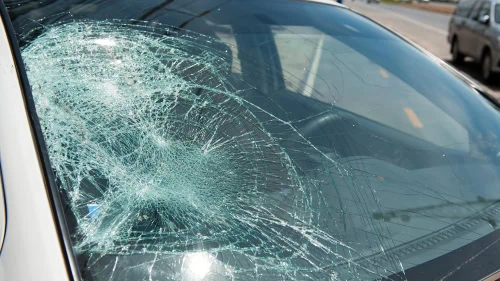
Most New York drivers don't know they may already have coverage that makes windshield replacement completely free — and that they're not required to use the shop their insurer suggests.
Share:
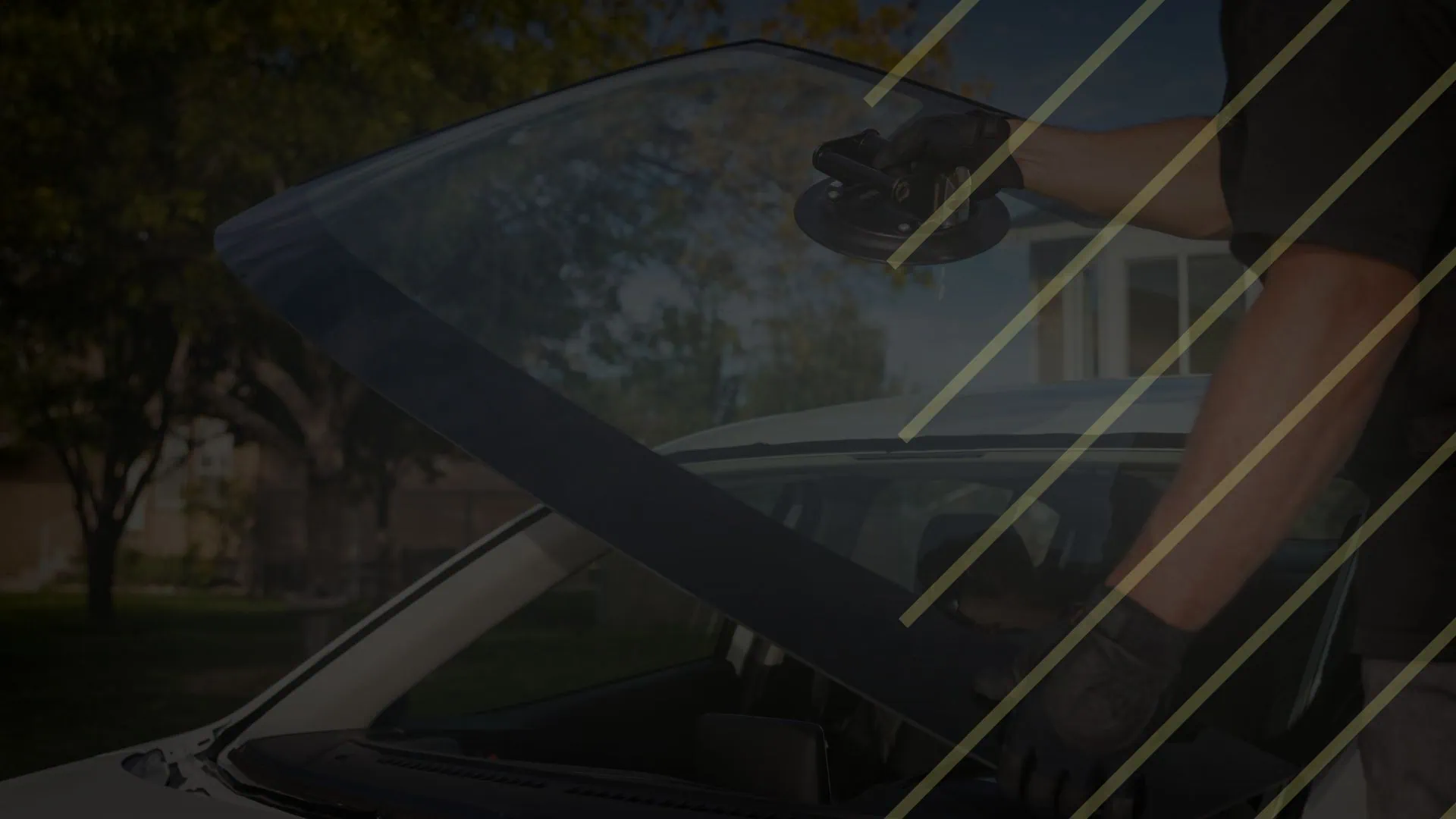
Summary:
You noticed the chip on your way to work. Maybe it was on the LIE behind a gravel truck, or it showed up after a cold night and turned into a crack by morning. Either way, you’re now trying to figure out whether your insurance covers it, whether filing a claim will cost you more in the long run, and whether you actually have to use the shop your insurer keeps mentioning.
These are the right questions. And the answers — especially for drivers in New York — are more favorable than most people expect. Here’s what you need to know before you call anyone.
The short answer is yes — if you have comprehensive coverage. Windshield damage caused by road debris, weather, or anything other than a collision falls under the comprehensive portion of your auto policy. If you’re carrying liability-only coverage, glass damage isn’t covered. But most Long Island drivers with financed or newer vehicles carry comprehensive, which means this is likely covered.
What makes New York different from most states is a specific add-on called full glass coverage. This is a rider you can attach to your comprehensive policy that waives your deductible entirely for glass claims. New York is one of only a handful of states — alongside Connecticut and Minnesota — where insurers are required to offer this option. Florida, Kentucky, and South Carolina are the only states where zero-deductible glass coverage is mandatory for everyone. In New York, you have to elect it — but if you did, your replacement may cost you nothing out of pocket.

Full glass coverage is a relatively simple add-on, but it’s easy to overlook because it often gets bundled into a policy at inception without much explanation. When you signed up for your current auto insurance — whether through Geico, Allstate, Progressive, State Farm, or a regional carrier — your agent may have offered it as part of a comprehensive package. You might have said yes without fully registering what it meant.
What it means, practically, is this: when you file a glass claim, your deductible is waived. Under standard New York insurance rules, the minimum deductible for comprehensive coverage is $50. But the New York State Department of Financial Services has a specific carve-out that allows window glass coverage to be sold without any deductible at all. Full glass coverage is the policy mechanism that takes advantage of that carve-out.
To find out if you have it, the fastest route is to call your insurer directly and ask: “Do I have full glass coverage on my policy?” You can also check your declarations page — it’s the summary document your insurer sends at the start of each policy term. Look for a line item that says “full glass,” “glass deductible waiver,” or something similar. If it’s there, your windshield replacement may be completely free.
If you don’t have it, you’re not without options. Your comprehensive coverage still applies — you’d just pay your standard deductible, and the insurer covers the rest. For many drivers, that deductible is low enough that the out-of-pocket cost is still manageable. And if the damage is a chip rather than a full crack — smaller than roughly six inches, in a non-critical area of the glass — it may qualify for repair rather than replacement, which is typically covered at 100% with no deductible under most comprehensive policies, even without the full glass add-on.
The point is: don’t assume you’re paying full price before you’ve checked. A two-minute call to your insurer could save you the entire cost of the job.
This is the fear that keeps a lot of New York drivers from using coverage they’ve already paid for. The worry makes sense — nobody wants to file a claim and then watch their premium climb. But for windshield replacement specifically, the concern is largely misplaced.
A windshield replacement is a no-fault comprehensive claim. You didn’t cause an accident. You didn’t run a red light. A rock hit your windshield, and you’re using the coverage you pay for every month. Under New York insurance regulations, a single no-fault comprehensive claim like this should not trigger a premium surcharge. Insurers generally reserve rate increases for patterns of claims — multiple incidents, at-fault accidents, or claims that suggest elevated risk. A one-time glass claim doesn’t fit that profile.
That said, it’s always worth asking your insurer directly before filing: “Will this claim affect my rate?” Most will tell you honestly that it won’t. And if you have full glass coverage, the claim is even more straightforward — it’s exactly the scenario that coverage was designed for.
The broader point is that a lot of Long Island drivers are quietly paying out of pocket for repairs and replacements they’re entitled to have covered, simply because they’re afraid of consequences that, in most cases, won’t materialize. The LIE alone generates thousands of windshield chips every year — road debris from truck traffic is practically a fact of life for anyone commuting between Nassau and Suffolk County. If your coverage is there, use it.
A chip that gets ignored has a way of becoming a crack. Temperature swings — and Long Island gets both extremes — cause existing chips to spread quickly. A chip that qualifies for a quick, fully-covered repair today can become a full replacement job by next week. Acting early is almost always the better financial decision.
Want live answers?
Connect with a First Class Auto Glass expert for fast, friendly support.
Here’s something most people don’t know: when your insurance company suggests a shop — or points you toward a specific provider — you are not required to use them. Major insurers including Travelers and Progressive explicitly confirm that policyholders have the right to choose any licensed shop of their choice. The shop bills the insurer directly, and you pay nothing beyond your deductible (or nothing at all, if you have full glass coverage).
This matters because the default experience for most New York drivers is to call their insurer, get pointed toward a large national chain, and assume that’s their only option. It isn’t. You have the right to choose who works on your vehicle — and that choice can make a meaningful difference in the quality of the work, especially on newer cars.
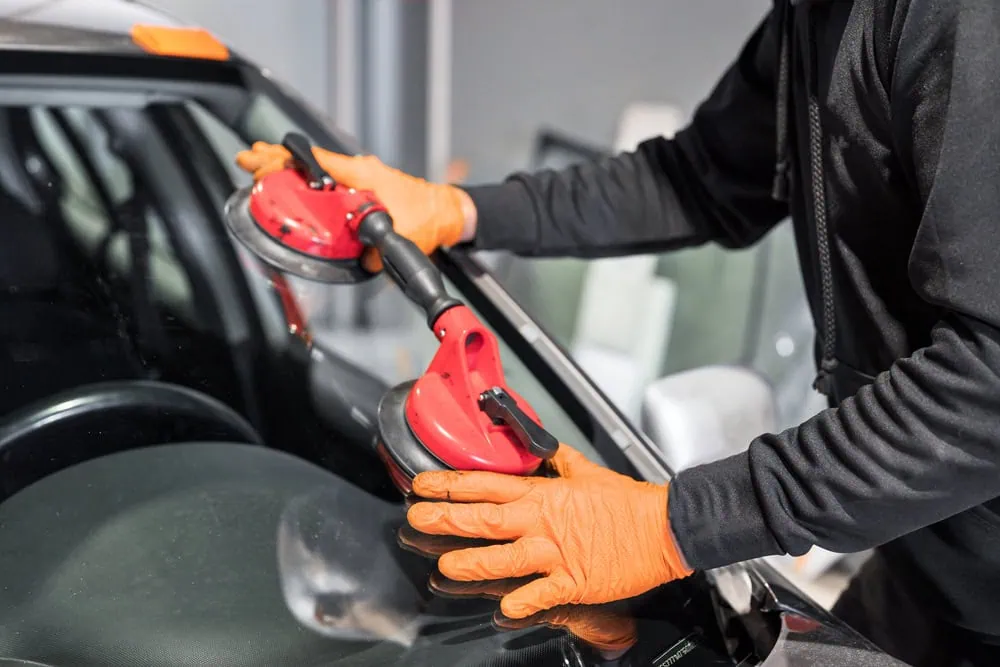
If your vehicle was made around 2016 or later, there’s a good chance it has a front-facing camera mounted near the top of the windshield. That camera powers features you may rely on without thinking much about them — lane departure warning, automatic emergency braking, adaptive cruise control. When the windshield gets replaced, that camera’s position relative to the new glass changes. Without recalibration, those systems can fail silently or give incorrect readings. The car doesn’t necessarily throw a warning light. It just doesn’t work the way it should.
This is called ADAS calibration — Advanced Driver Assistance Systems calibration — and it’s a step that a lot of shops either skip, don’t mention, or require a separate appointment at a different facility to complete. For a busy Long Island driver, that means arranging two appointments, two trips, and potentially two separate insurance approvals.
We handle ADAS calibration on-site, at the same appointment as the windshield replacement, using manufacturer-approved equipment. There’s no separate trip to a dealership or calibration center. The job gets done completely — glass and camera — in one visit, wherever you are. For the majority of newer vehicles on Long Island, this isn’t a nice-to-have. It’s a necessary part of a complete, safe installation.
It’s also worth noting that ADAS calibration is typically covered under the same insurance claim as the windshield replacement itself. You shouldn’t be paying out of pocket for calibration separately, and you shouldn’t be working with a shop that treats it as an afterthought.
There’s a version of this process that a lot of Long Island drivers have experienced: you call a large chain, you get a call center, someone schedules a technician you’ve never spoken to, and a crew you’ve never met shows up at your car. The work might be fine. Or it might not. Either way, there’s no one specific person accountable for what happened.
We work differently. First Class Auto Glass is owner-operated — the same person who answers the phone is the person who shows up and does the work. That’s been true since we started in 2016, across more than 10,000 services completed on Long Island. Our owner has over 20 years of industry experience, holds Dinitrol certification, and operates as a New York State certified mobile repair shop. When something matters enough to put your name on it, you do it right.
The mobile part matters too, especially for Nassau and Suffolk County drivers who don’t have a lot of margin in their day. We come to you — your driveway, your workplace, wherever works. A windshield repair takes 30 to 45 minutes on-site. A full replacement takes 60 to 90 minutes. You don’t need to arrange a ride, take time off, or sit in a waiting room. The job gets done where you are, and you’re back to your day.
We also handle the entire insurance claims process on your behalf. You give us your insurance information, and we take it from there — the paperwork, the approvals, the direct billing. You don’t have to spend an afternoon on hold with your insurer. That’s part of the service, not an add-on.
Every windshield we install comes with a lifetime warranty for as long as you own the vehicle. If something goes wrong with the work — the bond, the seal, anything related to the installation — we fix it. That’s the kind of commitment that only makes sense when the same person doing the work is also standing behind it.
If you’ve got a crack in your windshield — or a chip that’s been sitting there longer than it should — the first step is straightforward: check whether you have full glass coverage on your policy. A quick call to your insurer or a look at your declarations page will tell you. If you have it, your replacement is likely free. If you don’t, your comprehensive coverage still applies, and a single glass claim shouldn’t affect your rates.
From there, you have the right to choose who does the work. You’re not locked into any insurer’s preferred vendor, and the shop you choose should be able to handle the full job — including ADAS calibration if your vehicle requires it — in one visit, without sending you somewhere else.
If you’re on Long Island and want to talk through your situation before committing to anything, we’re here to help. We’ll tell you what your damage looks like, whether it’s a repair or a replacement, and exactly how the insurance process works. No pressure, no runaround — just a straight answer from someone who’s done this more than ten thousand times.
Article details:
Share:
Continue learning: