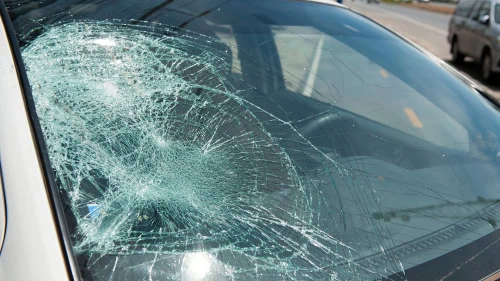
Your car's safety systems might not work properly after windshield replacement without proper ADAS calibration.
Share:
Summary:
When your windshield gets replaced, ADAS cameras and sensors must be removed from the original windshield and reinstalled onto the new one, which can throw off the feedback received by your ADAS. Think of it like this: your car’s safety systems were calibrated to work with millimeter precision on the original windshield.
Even millimeter-level misalignment can cause these systems to malfunction or fail completely when you need them most. The forward-facing camera behind your rearview mirror isn’t just mounted—it’s positioned at exact angles and distances that your car’s computer expects.
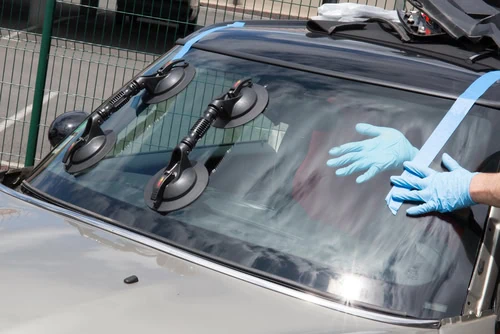
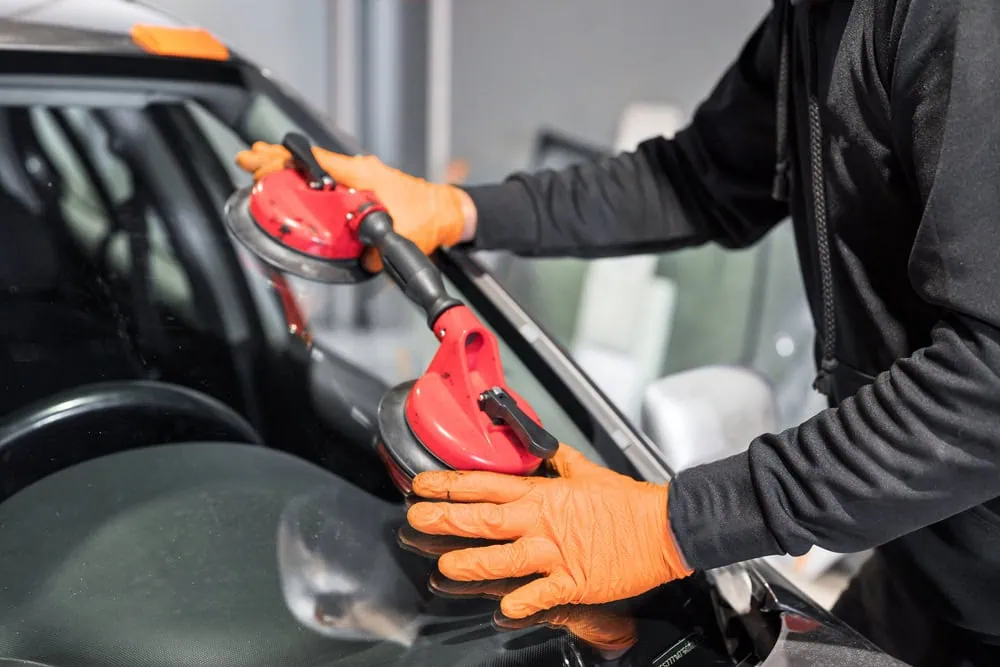
When windshields are replaced, cameras and sensors could be knocked out of alignment, and even a small change in angle or position can throw off the system. The car’s computer expects the camera to be calibrated exactly per factory specs, and if it’s not, the ADAS might misjudge distances or fail to detect obstacles.
Here’s what’s particularly concerning for Suffolk County drivers: malfunctioning safety features can cause warnings that don’t activate or false alarms, plus higher crash risk from systems like automatic braking or lane assist that may not respond accurately. Your dashboard might not even warn you that something’s wrong.
Today, nearly 9 out of 10 model year 2023 cars require ADAS recalibration after windshield replacement, compared to only 1 in 4 cars in 2016. This massive increase reflects how many newer vehicles now come with these advanced safety systems standard.
The problem is that the car’s safety systems don’t magically self-correct. If your windshield sensors are misaligned, they might not work as intended, putting you and others at risk, and calibrating the sensors ensures your ADAS can accurately detect and respond to hazards.
Most vehicle manufacturers require ADAS calibration after windshield replacement, and insurance companies typically require proof of calibration to maintain coverage compliance. This isn’t just a recommendation—it’s often mandatory for your warranty and insurance coverage.
The National Highway Traffic Safety Administration (NHTSA) emphasizes that ADAS cameras must be properly recalibrated after repairs, especially windshield replacement, to maintain your vehicle’s safety integrity. Auto manufacturers agree: nearly all vehicle makers require recalibration of the forward-facing camera whenever the windshield is replaced.
Some warranties require proper calibration, and your insurer may deny claims if calibration is skipped. For Suffolk County families driving kids to school or commuting on the LIE, this could mean the difference between coverage and paying out of pocket after an accident.
The financial implications extend beyond insurance. If recalibration is skipped after windshield replacement and a related safety feature fails, the manufacturer may not cover the repair or resulting damage. Furthermore, skipping this step could affect your insurance coverage in the event of an accident—especially if a safety system is found to be malfunctioning due to misalignment.
Want live answers?
Connect with a First Class Auto Glass expert for fast, friendly support.
Professional ADAS calibration involves two main approaches: static and dynamic calibration. Static calibration is performed using high-precision laser alignment tools, targets, and optical boards in a controlled environment. Dynamic calibration involves driving the vehicle on roads with actual traffic, performing specific maneuvers that allow the system to observe real conditions, ensuring that each ADAS feature is tested to confirm it responds accurately when needed.
The calibration process includes comprehensive diagnostic scanning, precise sensor alignment, and thorough testing of all safety functions, following exact OEM procedures to ensure cameras and sensors perform exactly as designed.
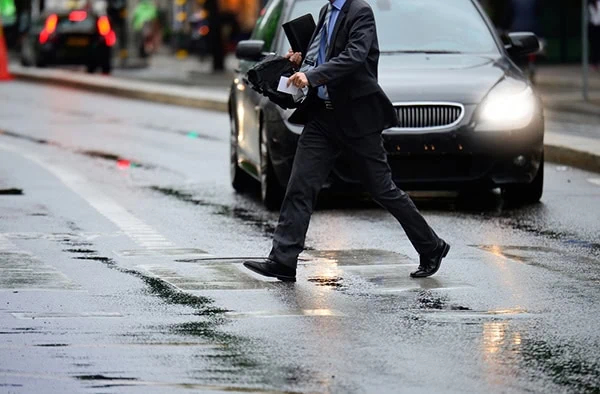
Forward-facing cameras mounted behind the rearview mirror are responsible for lane departure alerts, pedestrian detection, and high-beam control. Automatic Emergency Braking (AEB) responds in milliseconds to obstacles in your path. Blind Spot Monitors and Cross-Traffic Alerts help detect vehicles in hard-to-see areas around your car.
Common features that rely on properly calibrated systems include adaptive cruise control that maintains safe distance from vehicles ahead, lane keep assist that helps steer the car within its lane, forward collision warning that alerts drivers if a crash is imminent, automatic emergency braking that engages when collision is unavoidable, and blind spot monitoring that alerts you to vehicles in adjacent lanes. Even minor misalignments can disrupt these systems, causing them to behave unpredictably, and a miscalibrated camera may delay braking or trigger false warnings.
For Nassau and Suffolk County drivers, this is particularly important because if your dashboard features any kind of lane icon, radar-style symbol, or camera-based alerts, it likely means you rely on ADAS. Many drivers are surprised to learn that their car may not alert them if these systems are misaligned, which is why verification with both diagnostic scans and visual inspection ensures you’re not just safe—you’re fully protected.
Even slight misalignment of a camera or radar sensor can create delayed braking where emergency braking may not trigger in time, lane assist errors where your car could drift or make erratic corrections, false alarms where warnings trigger when no danger exists, failed safety features where systems may silently deactivate without notifying you, and inspection failures where ADAS errors can result in rejected safety inspections.
Research by the AAA Foundation for Traffic Safety shows that if every vehicle had ADAS features and they were used correctly, about 2.7 million crashes, 1.1 million injuries, and 9,500 deaths could be prevented yearly. But this only works when the systems are properly calibrated.
Insurance claims can get denied in case of an accident, and you could fail a vehicle inspection. Bottom line: you’re putting yourself and others at risk. A misaligned ADAS camera or sensor can hinder the functionality of ADAS safety features and can lead to major accidents or injuries.
The stakes are particularly high for Long Island drivers. For families driving kids to local parks or commuters traveling down Sunrise Highway, these failures can mean the difference between safe arrival and a serious accident. Vehicle manufacturers like Toyota, Honda, BMW, and Ford all emphasize the mandatory recalibration of ADAS systems after windshield replacement. It’s not just recommended—it’s required.
It is 100% necessary for drivers to recalibrate their ADAS after replacing their windshield, but not all auto glass companies offer this service. Any reputable or certified auto glass shop will tell you that you need windshield calibration after replacing a windshield. If you need a windshield replacement and have ADAS technology, it is required to recalibrate your ADAS to ensure your safety.
Most ADAS calibrations take 45 minutes to 1 hour depending on your vehicle’s systems and complexity. Mobile service eliminates travel time and waiting at service centers, bringing all necessary equipment to your location and completing the work efficiently while you handle other priorities. For Suffolk County residents, this means getting professional calibration without disrupting your schedule.
When choosing a calibration service, make sure they’re properly certified and use manufacturer-approved equipment. We bring professional ADAS calibration directly to your location across Suffolk and Nassau County, ensuring your vehicle’s safety systems work exactly as designed.
Article details:
Share:
Continue learning: