
Summary:
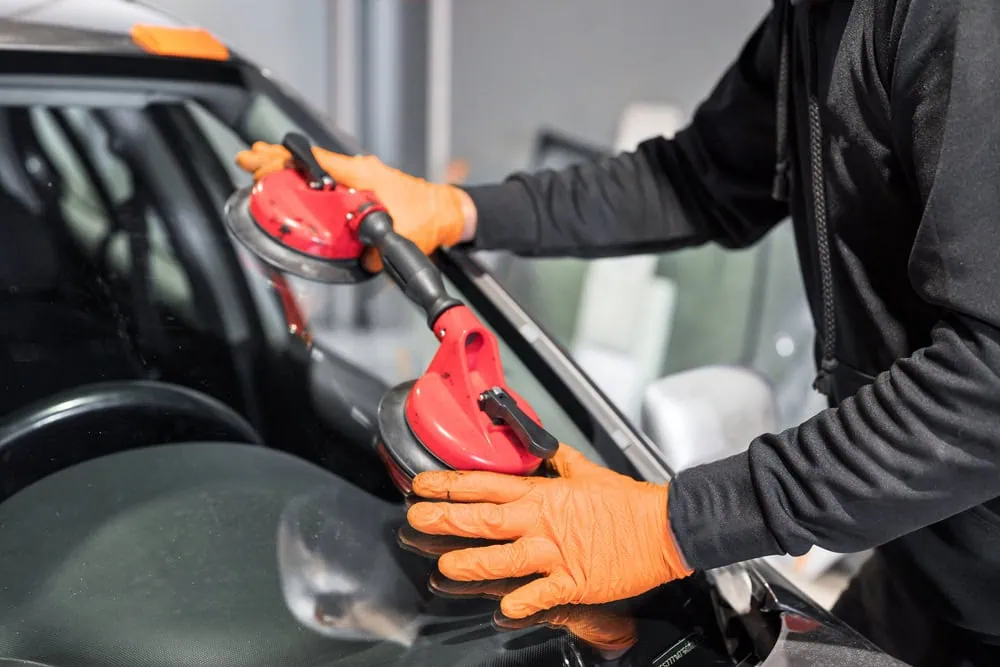
When your windshield gets replaced, your forward-facing camera’s viewing angle changes slightly. Even using identical OEM glass, the new windshield sits differently than your original. The camera mounting position shifts by fractions of an inch, and the glass thickness or optical properties might vary.
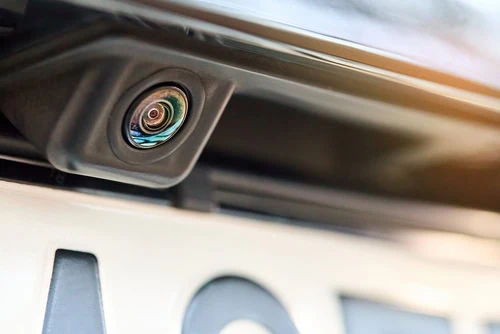
Your car’s safety systems were calibrated to work with your original windshield. Without recalibration, your automatic emergency braking might engage too late, your lane departure warning might trigger incorrectly, and your adaptive cruise control might not maintain proper following distance. Camera calibration realigns these systems to manufacturer specifications, ensuring they respond accurately in real driving conditions.
Suffolk County drivers face unique challenges that make properly functioning safety systems essential. Heavy traffic on the Long Island Expressway demands split-second collision avoidance response. Construction zones throughout the county require precise lane keeping assistance. Beach traffic during summer months tests your parking assist accuracy.
The statistics tell the story. Suffolk County had 164 traffic deaths in 2022—the highest in New York State. Long Island experienced a 40% spike in traffic fatalities since 2019, with an average of 83 fatal or injury-causing accidents daily across Nassau and Suffolk counties. Suffolk County also leads the state in fatal crashes involving distracted drivers.
When you’re navigating rush hour traffic on Route 110 or merging onto the Southern State Parkway, your safety systems need to work perfectly. A camera misaligned by just one degree can be off by eight feet at 100 feet distance—the difference between stopping safely and a collision. Your forward collision warning isn’t just a dashboard light; when properly calibrated, it’s the difference between a close call and an accident.
Insurance companies now typically require proof of calibration to maintain coverage compliance. Many insurers require calibration documentation because they understand the liability risk of uncalibrated safety systems. Without proper calibration, your insurance company may deny claims if they discover your safety systems weren’t properly calibrated after required services.
You could also face legal liability if an accident occurs and investigators find that safety systems were compromised due to improper calibration. Most vehicle manufacturers require calibration to maintain warranty coverage on ADAS components. The cost of calibration—typically $200 to $600 in Suffolk County—is minimal compared to these potential consequences.
Most comprehensive insurance policies cover ADAS calibration when it’s required after windshield replacement or collision repair. Insurance companies work directly with certified providers and handle the paperwork to make the process seamless. You typically only pay your deductible, and filing a claim for calibration won’t cause your premium to increase in most cases.
Want live answers?
Connect with a First Class Auto Glass expert for fast, friendly support.
Professional camera calibration isn’t a simple button press—it’s a careful procedure performed by trained technicians with specialized equipment. The process includes comprehensive diagnostic scanning, precise sensor alignment, and thorough testing of all safety functions. We follow exact OEM procedures to ensure your cameras and sensors perform exactly as designed.
There are two main types of calibration: static and dynamic. Some vehicles require both methods to ensure complete accuracy across all driving scenarios.

Static calibration occurs with your vehicle stationary in a controlled environment. We position specialized targets at exact distances and angles around your vehicle. Using manufacturer-approved equipment and software, we adjust your camera and sensors to factory settings.
This process requires proper lighting, level flooring, and precise positioning of calibration targets. We connect diagnostic equipment to your vehicle’s computer system to communicate with the ADAS system and make necessary adjustments. Static calibration typically takes about an hour and can often be completed during the same appointment as your windshield replacement.
For Suffolk County drivers, our mobile static calibration brings this precision directly to your location. Our professional mobile units carry the same specialized equipment used in stationary facilities, eliminating the need to arrange transportation or wait in service centers. Whether you’re at home in Huntington, at work in Commack, or dealing with a busy schedule anywhere in Nassau County, our calibration process comes to you.
Dynamic calibration involves driving your vehicle under specific conditions while the system calibrates itself using real-world data. Our trained technician drives your vehicle at predetermined speeds on well-marked roads, allowing the cameras to read lane markings and street signs to establish proper alignment.
This process typically requires driving 5-25 miles and takes about an hour. We use roads with clear lane markings and optimal weather conditions to ensure accurate calibration. For Long Island drivers, this means utilizing local highways and roads that meet manufacturer specifications for dynamic calibration procedures.
Dynamic calibration is particularly important for adaptive cruise control, lane keeping assistance, and traffic sign recognition systems. These features need to learn from actual driving conditions to function properly in varied scenarios—from stop-and-go traffic near Roosevelt Field to highway merging on the Northern State Parkway. Some luxury vehicles and newer models with multiple ADAS features require both static and dynamic calibration for complete system accuracy.
When it comes to your family’s safety, there’s no room for shortcuts or guesswork. Professional camera calibration ensures your collision avoidance, lane departure, and emergency braking systems function exactly as designed when you need them most. The process typically takes 45 minutes to 2 hours depending on your vehicle’s requirements, and our mobile service means you don’t have to disrupt your schedule.
We follow manufacturer procedures, work directly with insurance companies, and offer comprehensive warranties on our work. Your safety systems are designed to save lives, but only if they’re properly calibrated after windshield replacement. For Suffolk County drivers who depend on their vehicles for daily commutes and family transportation, we provide the expertise and mobile convenience needed to keep your ADAS systems working properly.
Article details:
Share:
Continue learning: