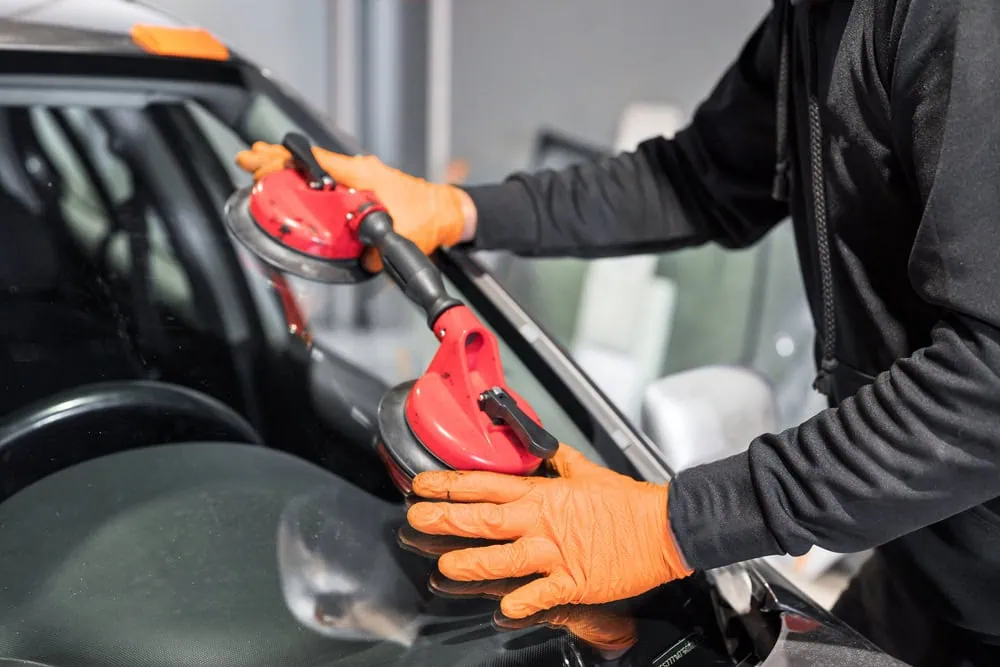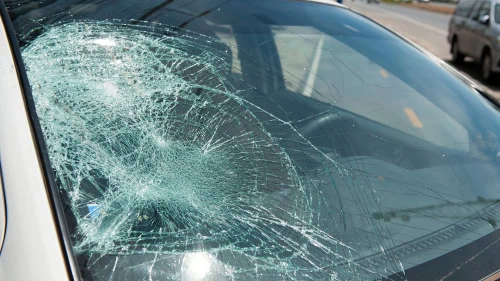
Your windshield replacement might affect more than just the glass—your front camera needs a digital "eye exam" to keep your safety features from losing their minds.
Share:

Summary:
Front camera calibration is the process of teaching your vehicle’s forward-facing camera how to “see” again after its world has been rocked by a new windshield. This camera is the MVP of your Advanced Driver Assistance Systems (ADAS). It’s the one responsible for making sure your car doesn’t wander out of its lane while you’re trying to open a difficult bag of pretzels.
When a windshield is removed, the camera is unclipped. When the new glass goes in, even with a perfect installation, the camera’s angle can shift by a fraction of a millimeter. That might sound like nothing, but at 65 mph on the LIE, a one-degree error means your car’s systems are reading the road several feet off from reality. Suddenly, your lane-keeping assist thinks the shoulder is the fast lane. Not ideal.
Calibration resets the camera to the manufacturer’s exact specs. It’s the “digital eye exam” your car needs to make sure it doesn’t accidentally “brake-check” a ghost.

If your car was made in the last eight years, the answer is a resounding “probably.” In 2016, only about one in four vehicles required this level of attention. Fast forward to 2026, and nearly nine out of ten new vehicles require ADAS recalibration after a glass swap.
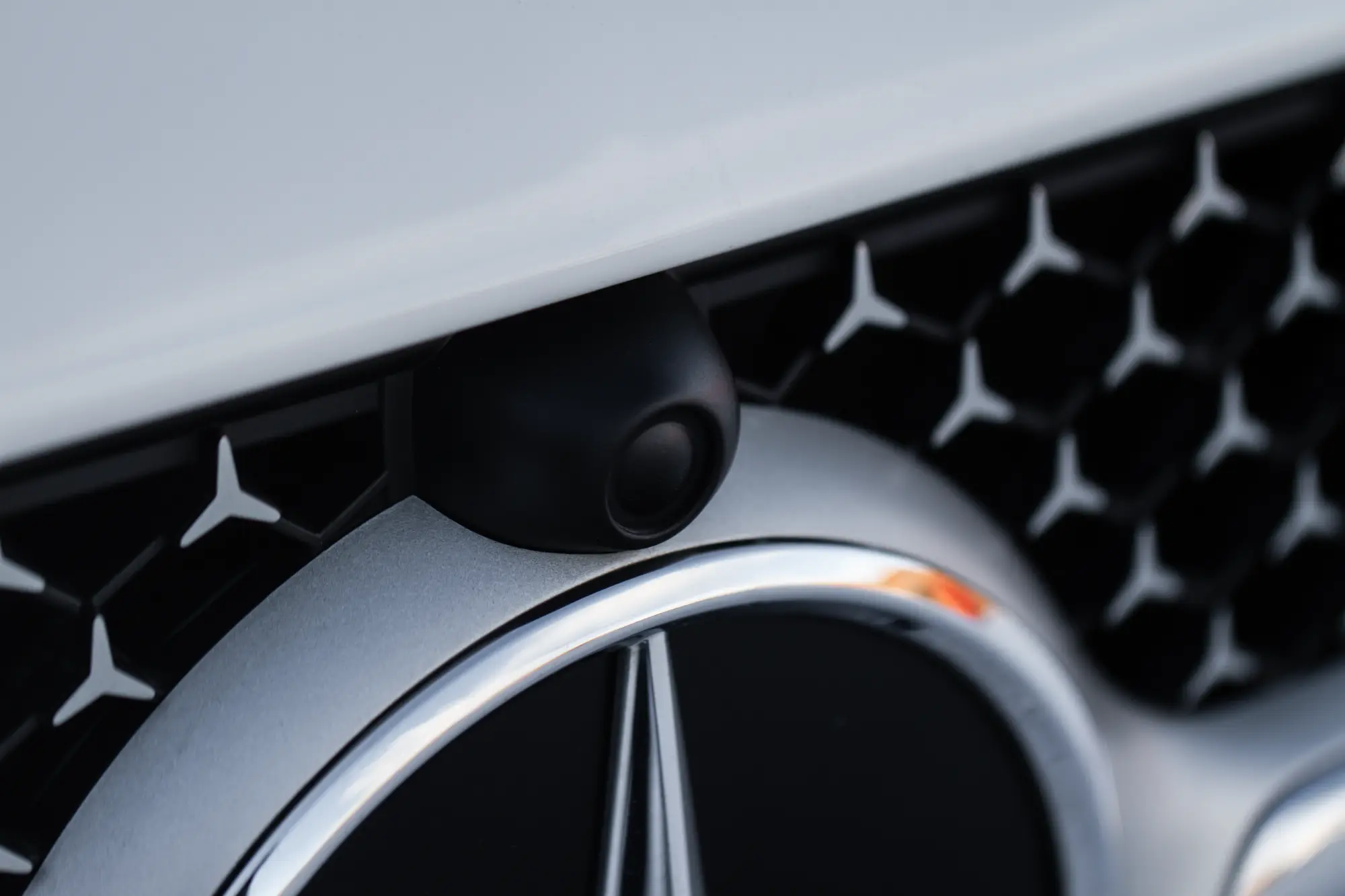
Why? Because car manufacturers have decided that we humans need all the help we can get. Features that used to be “luxury only” are now standard on everything from a base-model sedan to a heavy-duty pickup. If your car has a little camera lens peeking out from behind the rearview mirror, you’re in the club. Honda, Toyota, Ford, Subaru—they all want their cameras calibrated. It’s no longer the exception; it’s the rule.
Some people try to dodge the calibration. They drive away thinking, “The glass looks fine, I’ll save the cash.”
Here is the scary part: Your car might not tell you it’s wrong. Most vehicles won’t throw a “Check Engine” light or a scary red warning just because the camera is 0.5 degrees off. The systems might still seem to work. Your lane warning might still beep. But it might beep too late.
If your camera is misaligned, your collision avoidance system could miscalculate distance by eight feet when you’re 100 feet away. That’s the difference between a “close call” and a very expensive front-end repair. Beyond the safety risk, there’s the insurance drama. If you get into an accident and it’s found your ADAS wasn’t calibrated, your insurance company might suddenly become very hard to reach.
Want live answers?
Connect with a First Class Auto Glass expert for fast, friendly support.
Calibration isn’t something you can do with a YouTube tutorial and a screwdriver. It requires special tools and a technician who knows what they’re looking at. There are two main ways we teach your car to see: Static and Dynamic.
Static Calibration happens while the car is parked. We set up high-tech targets (think: sophisticated QR codes on stands) at precise distances and angles. Your car “looks” at these targets and resets its internal map. Dynamic Calibration involves a “test drive” where the technician drives the car at specific speeds on well-marked roads so the camera can relearn how to track lane lines in real-time. Some cars are “overachievers” and require both.
Most calibrations take between 30 minutes and an hour once the new glass is in. If your car is being particularly difficult (or needs both static and dynamic versions), it might take up to two hours.
The good news? A quality mobile service (like ours) handles both the glass swap and the calibration in one visit. You don’t have to drop your car off at a dealership and wander around a waiting room for four hours drinking stale coffee. We bring the targets to you, replace the glass, and get the “eyes” aligned while you’re in your kitchen making lunch. For drivers in Suffolk or Nassau, that kind of convenience is basically worth its weight in gold.
In almost every case, yes. If your insurance covers the windshield, they cover the calibration. Insurance companies are many things, but they aren’t stupid—they’d much rather pay for a $400 calibration than a $40,000 multi-car pileup caused by a failed emergency braking system.
The trick is working with a shop that knows how to handle the red tape. A good shop will verify your coverage and bill the insurance directly. If you’re paying out of pocket, expect the calibration to add $300 to $600 to the bill. It’s an investment in not-crashing, which is generally considered a good investment.
Front camera calibration isn’t an option; it’s a necessity. Your car’s safety features are only as smart as the data they’re getting. If you’re getting a new windshield, make sure you’re also giving your car the “eye exam” it needs to keep you safe.
The process is straightforward when you have the right team. You get fresh glass, a calibrated camera, and the assurance that your car knows where the road is.
If you’re on Long Island and need a windshield swap that includes pro-level ADAS calibration, we bring the tech right to your driveway. We’ve been doing this for over 20 years, so we know exactly how to keep your car’s “brain” and “eyes” on the same page.
Article details:
Share:
Continue learning: