Common Windshield Damage: Repair or Full Replacement?
Got windshield damage in Suffolk County? Identify common chips and cracks, and learn when auto glass repair is possible versus needing replacement.
Share:
Summary:
This post helps Suffolk County drivers understand common windshield damage like chips and cracks, outlining factors like size, type, and location that determine if windshield chip repair
is feasible or if full auto glass replacement is necessary.
Table of contents
Driving on Long Island roads means encountering occasional hazards like road debris or potholes, often resulting in windshield damage. A chip or crack appears, leaving Suffolk County drivers wondering about the next step: repair or replacement? Acting quickly is important, as temperature changes common in New York spring can cause minor damage to spread rapidly. So, what are the most common types of windshield damage that can be repaired versus requiring full replacement? Understanding the differences helps you make informed decisions about your auto glass repair needs.
Damage Type 1: Chips and Small Flaws Often Repairable
Minor impacts from small stones or debris typically create chips or small breaks in the windshield’s outer layer. These are often candidates for windshield chip repair. Common types include the bullseye (circular), the star break (short cracks radiating from a center point), the half-moon (similar to a bullseye but incomplete), and combination breaks (featuring characteristics of multiple types). Generally, these impacts involve minimal glass displacement and haven’t spread significantly across the windshield. Attention is key, as these small flaws can potentially be stabilized.
Identifying Common Chip Types
A bullseye looks like its name suggests – a small circle, often with a darker impact point. A star break has short lines radiating outward. Combination breaks blend features. The key factor for potential auto glass repair is often size; many technicians consider chips smaller than a quarter generally repairable, provided they aren’t too deep or complex. Delaying repair allows dirt and moisture into the chip, making a successful fix harder. It also risks the chip spreading into an unrepairable crack due to road vibrations or temperature shifts, a common issue for car window repair needs.
How Windshield Chip Repair Works
The windshield chip repair process is designed to restore both strength and clarity. First, the technician cleans dirt and debris from the impact point. Then, a specialized clear liquid resin is carefully injected into the chip using vacuum and pressure cycles to fill the void completely. Finally, the resin is cured and hardened, typically using an ultraviolet light source. This process bonds the glass back together, preventing the damage from spreading further and significantly improving the appearance. It’s a cost-effective and quick solution compared to replacement for suitable damage types.
Want live answers?
Connect with a First Class Auto Glass expert for fast, friendly support.
Damage Type 2: Cracks and Issues Necessitating Replacement
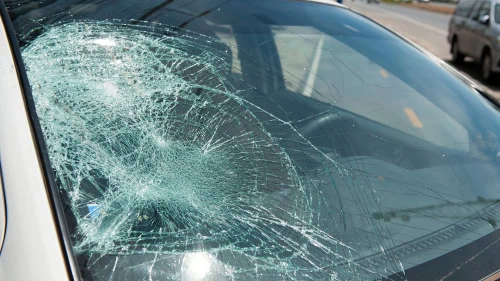
Unfortunately, not all windshield damage is suitable for simple repair. More significant impacts often require full auto glass replacement to restore safety and visibility. This category includes long cracks (typically over several inches), cracks that start or end at the edge of the windshield, complex breaks with multiple intersecting lines, or any damage that significantly obstructs the driver’s direct line of sight. Windshields are structural components; severe damage compromises their integrity. Considering “what are the most common types of windshield damage that can be repaired versus requiring full replacement?” involves recognizing when damage is too extensive for a safe repair.
Key Factors in the Repair vs. Replace Decision
Several factors beyond just damage type guide the decision. Size is critical: chips larger than a quarter or cracks longer than about six inches often necessitate replacement. Location matters immensely; damage directly in the driver’s primary viewing area usually requires replacement due to potential visual distortion, even after repair. The depth of the damage (if it penetrates both glass layers) and the number of impact points also influence repairability. Damage near the windshield’s edge tends to spread easily and compromise structural integrity. Importantly, vehicles with ADAS features often require camera recalibration after windshield replacement, a safety action handled by professionals.
Understanding Different Cracks and Their Risks
Cracks come in various forms. Linear cracks run in a line, sometimes short, sometimes long. Stress cracks can appear without an obvious impact point, often due to temperature extremes. Edge cracks start within inches of the windshield’s perimeter. While windshield crack repair technology exists for very small, simple cracks (often under just a few inches and not near the edge), it’s limited. Longer or more complex cracks significantly weaken the windshield. This compromises its ability to support the roof during a rollover and affects proper airbag deployment, making full replacement the safe car glass repair choice.
Making the Right Choice for Your Windshield
Knowing what the most common types of windshield damage can be repaired versus requiring full replacement helps Suffolk County drivers act appropriately. Small, simple chips (like bullseyes or stars) away from the driver’s view are often repairable if addressed quickly. Long cracks, edge damage, complex breaks, or impacts obscuring vision typically demand auto glass replacement for safety. For windshield chip repair or replacement, including mobile windshield repair services, contact First Class Auto Glass
.