Most windshield repairs take 30 to 60 minutes, but several factors affect timing. Find out what influences repair time and when you can safely drive again.
Share:
Summary:
A standard windshield chip repair takes 30 to 60 minutes from start to finish. That includes cleaning the damaged area, injecting resin, curing it under UV light, and polishing the surface. Multiple chips? Add about 15 minutes per additional chip.
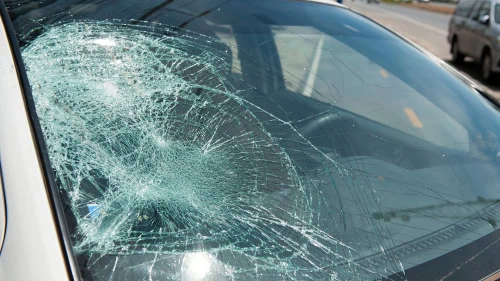
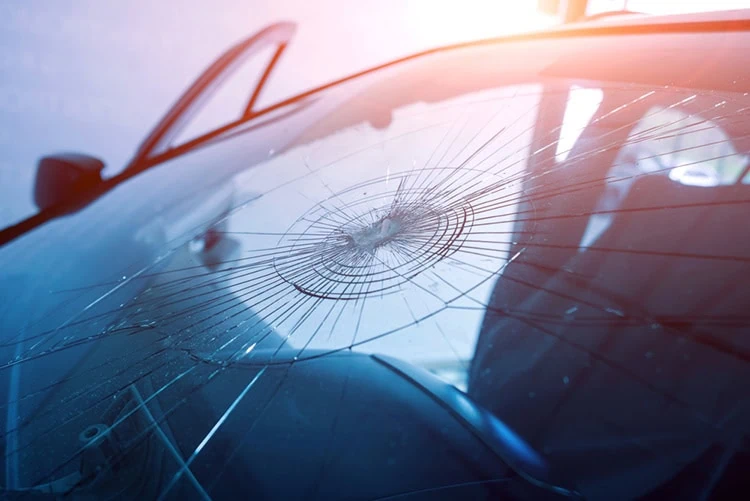
Cracks take a bit longer depending on length. Small cracks under six inches often repair in the same timeframe as chips. Longer cracks or more complex damage like star breaks might push closer to an hour.
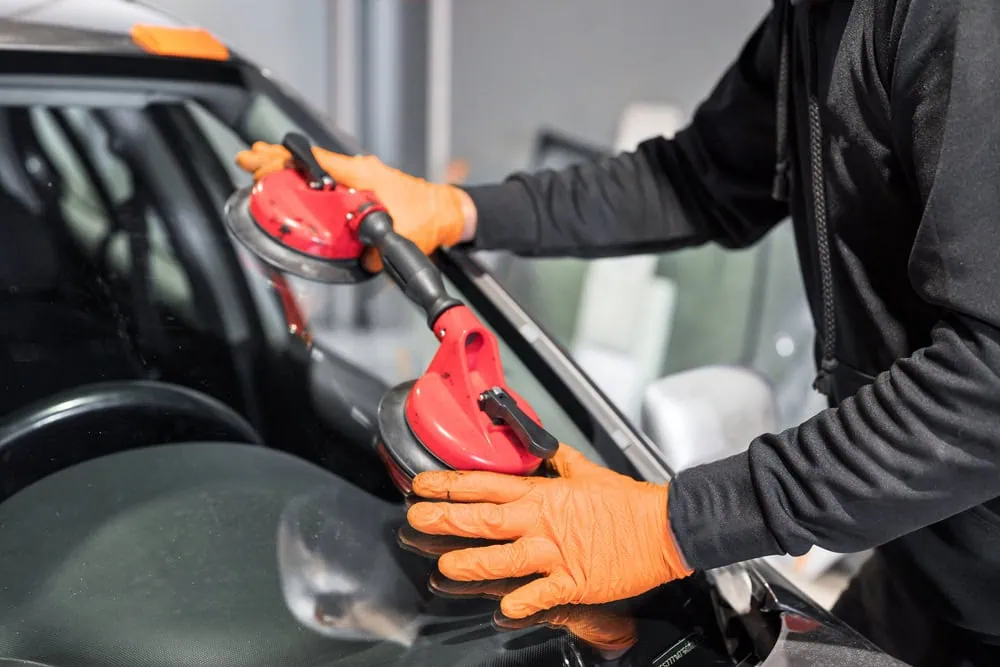
The actual repair process is straightforward. We clean debris from the chip, inject specialized resin that bonds with your windshield glass, cure it with UV light to harden it, and polish until it’s nearly invisible. You can usually drive immediately after a repair since there’s no adhesive curing time needed like there is with a full replacement.
Damage size and location make the biggest difference in how long your repair takes. A single quarter-sized chip in an easy-to-reach spot goes fast. Multiple chips spread across your windshield or damage in your direct line of sight requires more careful work and takes longer.
Temperature and weather conditions affect timing too. Cold weather slows down resin flow and curing. Hot, humid conditions actually speed things up because the resin flows more easily into cracks. We might need extra time in winter to warm materials or work in a covered area.
Your vehicle’s features matter more than you’d think. If you drive a newer car with a forward-facing camera behind your windshield, that’s an ADAS system. Even a chip repair can potentially affect camera alignment, though full replacements always require recalibration. Most vehicles from 2016 and newer have these systems. They control features like lane departure warnings, automatic emergency braking, and adaptive cruise control.
ADAS calibration adds time to your service. A quick check and minor adjustment might add 15 to 20 minutes. Full static calibration in a shop can take one to two hours. Dynamic calibration requires driving the vehicle under specific conditions and can take 30 to 60 minutes of drive time. We’ll tell you upfront if your vehicle needs this.
Mobile service versus shop service changes your timeline in a different way. The repair itself takes the same amount of time either way. But mobile service eliminates your drive to and from a shop, plus any waiting time. We come to your home, office, or wherever you’re parked in Suffolk County or Nassau County. You hand over your keys and go about your business. Thirty to sixty minutes later, it’s done. That’s usually faster than the total time you’d spend driving somewhere and waiting.
You can drive immediately after most windshield chip and crack repairs. The resin used in repairs cures under UV light during the service, so there’s no waiting period. Once we finish polishing and give you the okay, you’re good to go.
This is different from windshield replacement. Repairs fill existing damage with resin that bonds to your current glass. Replacements install entirely new glass with urethane adhesive that needs time to cure before it’s safe to drive. That adhesive is what holds your windshield in place and maintains your vehicle’s structural integrity.
There are a few exceptions where you might need to wait even after a repair. If we apply any sealant around the edges or do work that involves adhesive, we’ll tell you. Some repairs on older vehicles or unusual damage patterns might require a short settling period. We’ll always give you specific guidance based on your repair.
Your windshield does more than keep wind out of your face. It’s a structural component that supports your roof, helps your airbags deploy correctly, and keeps you from being ejected in a rollover. That’s why following our instructions about drive-away time matters, whether it’s immediate or requires waiting.
Weather won’t hurt a fresh repair. Rain, snow, or temperature changes don’t affect cured resin. You can drive through a car wash right after a chip repair without worry. The repair is fully sealed and waterproof once it’s complete.
Want live answers?
Connect with a First Class Auto Glass expert for fast, friendly support.
Full windshield replacement takes 60 to 90 minutes for the actual installation. We remove the damaged windshield, prep the frame, apply urethane adhesive, and install the new glass. The work itself isn’t much longer than a repair.
The difference is what happens after installation. That urethane adhesive needs time to cure before your windshield can handle the stress of driving. Most adhesives require a minimum of one hour before it’s safe to drive. Some situations call for waiting longer.
You’ll hear this called “safe drive-away time” or “minimum drive-away time.” It’s the amount of time the adhesive needs to develop enough strength to keep your windshield secure if you hit a bump or get in an accident. Your windshield isn’t just glass. It’s a safety component. Driving before the adhesive cures properly puts you at risk.
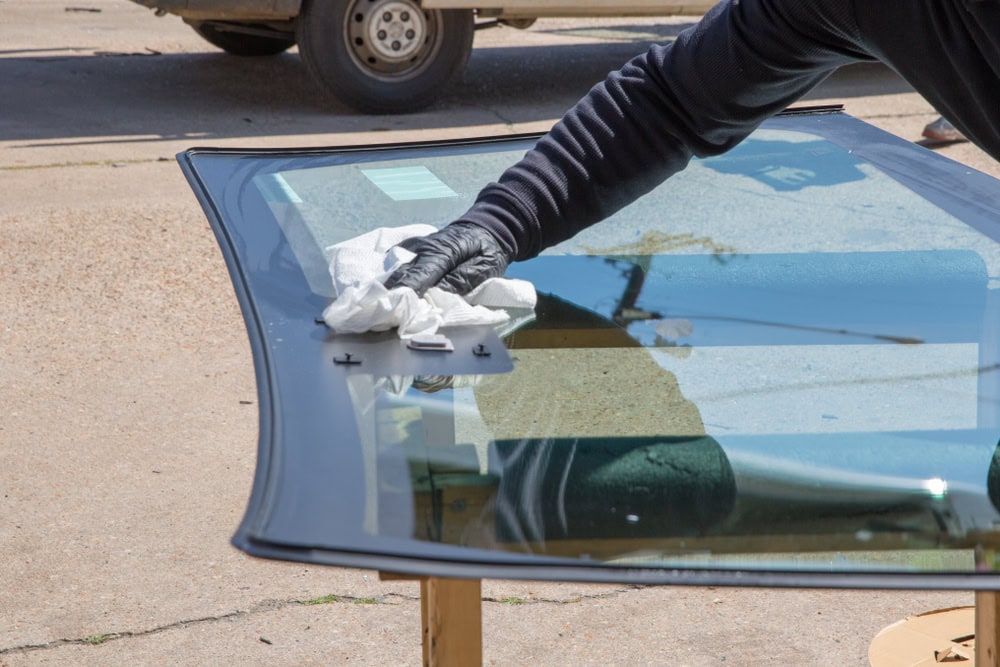
Temperature and humidity affect how fast urethane adhesive cures. Warm temperatures and high humidity speed up curing. Your adhesive might reach safe drive-away time in as little as 30 to 60 minutes in summer. Cold, dry conditions slow everything down. Winter replacements in Long Island often need two to four hours before driving.
We use the right adhesive for current conditions. Fast-cure urethane formulas work in most situations. Some adhesives are specifically designed for cold weather. Others are moisture-activated and cure faster in humid conditions. We stock different products for different scenarios.
The type of vehicle matters too. Larger, heavier vehicles like trucks and SUVs put more stress on the adhesive. We might recommend a longer cure time to be safe. Vehicles with ADAS features need extra care because the windshield position affects camera accuracy.
Full cure versus minimum drive-away time are two different things. The minimum is when your adhesive has enough strength for normal driving. Full cure is when the adhesive reaches maximum strength, usually 24 to 48 hours. You can drive after the minimum time, but you should still take some precautions for the first day or two.
Avoid slamming doors for the first 24 hours. When you close your car door hard, you create air pressure inside the vehicle. That pressure pushes against your fresh windshield seal. It can create small holes in the urethane that lead to leaks or wind noise later. Keep a window cracked slightly or just close doors gently.
Skip the car wash for 24 to 48 hours. High-pressure water can disturb the seal before it’s fully cured. Hand washing is fine if you need to clean your car, just avoid spraying directly at the windshield edges. Rain won’t hurt anything. The seal is waterproof even during initial curing.
Don’t remove any retention tape for at least 24 hours. We sometimes use specialized tape to hold moldings in place while the adhesive cures. It looks ugly, but it’s doing an important job. Remove it too early and your moldings might not seal properly.
Nearly every vehicle from 2016 or newer needs ADAS calibration after windshield replacement. That camera mounted behind your rearview mirror controls critical safety systems. Even a perfectly installed windshield can shift the camera position by a fraction of an inch. That’s enough to throw off lane departure warnings, automatic emergency braking, and collision detection.
This isn’t optional. Vehicle manufacturers require it. Skipping calibration means your safety systems might not work when you need them. Your lane assist could pull you in the wrong direction. Your automatic braking might activate too late or not at all. These systems are designed to prevent accidents, but only if they’re calibrated correctly.
Calibration restores your camera to factory specifications. There are two types. Static calibration happens in a shop using special targets and equipment. The vehicle stays parked while we align the camera to precise reference points. This typically takes one to two hours. Dynamic calibration requires driving the vehicle at specific speeds on well-marked roads so the system can calibrate itself using real-world data. That adds 30 to 60 minutes of drive time.
Some vehicles need both static and dynamic calibration. We’ll know based on your vehicle’s make, model, and year. We’ll tell you upfront what’s required and how much time to expect.
The total time for replacement plus calibration ranges from two to four hours depending on your vehicle. That includes installation time, minimum cure time before driving, and calibration procedures. We can often handle the installation at your location in Suffolk County or Nassau County, then either calibrate on-site if your vehicle needs dynamic calibration, or coordinate a shop visit for static calibration if required.
Insurance usually covers calibration when it’s required. Comprehensive coverage that pays for your windshield replacement typically includes necessary calibration. We can verify your coverage and handle the billing directly with your insurance company.
You’ll know if calibration wasn’t done correctly. Warning lights on your dashboard for lane assist, collision systems, or forward camera indicate a problem. Your lane departure warnings might trigger too often or not at all. Adaptive cruise control might brake unexpectedly. These are signs the camera isn’t aligned properly. We’ll recheck and recalibrate at no charge if issues come up after service.
Most windshield repairs take 30 to 60 minutes. Replacements need 60 to 90 minutes for installation plus at least one hour of curing time before driving. Add ADAS calibration for newer vehicles and you’re looking at two to four hours total for a replacement.
Mobile service is the fastest option for your schedule. The repair takes the same amount of time, but you eliminate travel and waiting. We come to wherever you’re parked. You can work, run errands, or handle whatever else you need to do while we work.
The key is choosing a service that’s transparent about timing and doesn’t cut corners on safety. You need to know exactly when you can drive again, whether your vehicle needs calibration, and what precautions to take after service.
We bring mobile windshield repair and replacement across Suffolk County and Nassau County with over 20 years of experience and 10,000 successful repairs. Every service includes a lifetime warranty and clear communication about timing, curing, and calibration requirements for your specific vehicle.
Article details:
Share:
Continue learning: