Miscalibrated front cameras put Nassau County drivers at serious risk. Discover the hidden dangers of poor ADAS calibration.
Share:
Summary:
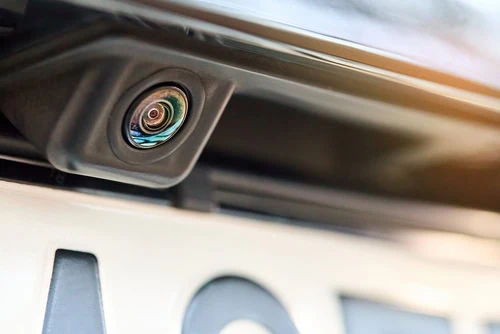
Your car’s brain relies on that tiny camera behind your windshield to make split-second decisions that could save your life. When it’s properly calibrated, your forward collision warning gives you those crucial extra seconds to brake. Your lane departure system knows exactly where the road markings are. Your automatic emergency braking engages at precisely the right moment.
But when calibration is off—even by what seems like an insignificant amount—everything changes. Your collision avoidance system that should detect a stopped vehicle 100 feet ahead might miss it entirely, or worse, detect it when you’re only 20 feet away. By then, it’s too late.
The scary part is you won’t know there’s a problem until you need those systems most. No warning lights. No obvious signs. Your car will seem to work perfectly normal until that moment when your safety features should activate but don’t.

Here’s what most people don’t realize about camera calibration: a shift of just one degree can throw your safety systems off by 8 feet at highway speeds. Think about that for a moment. When you’re driving 65 mph on the Long Island Expressway during rush hour, your automatic emergency braking system might think that stopped car ahead is 8 feet further away than it actually is.
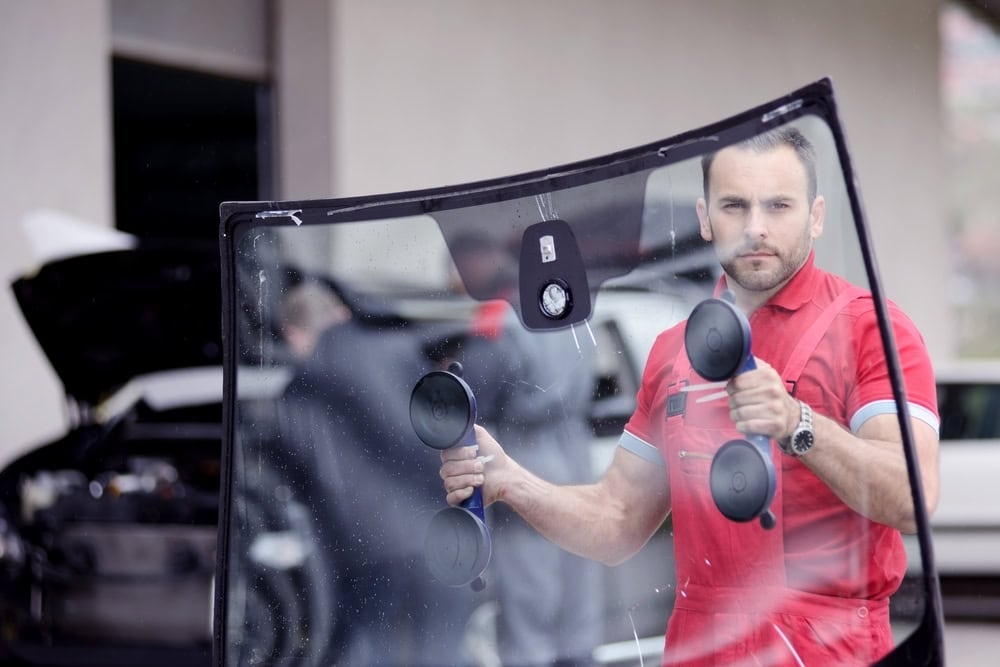
That miscalibration happens more often than you’d think. Every time your windshield gets replaced, your camera gets removed and reinstalled. Even if the technician is careful, even if they use the exact same mounting points, the new windshield sits slightly differently. The glass thickness might vary by fractions of a millimeter. The optical properties could be minutely different from your original windshield.
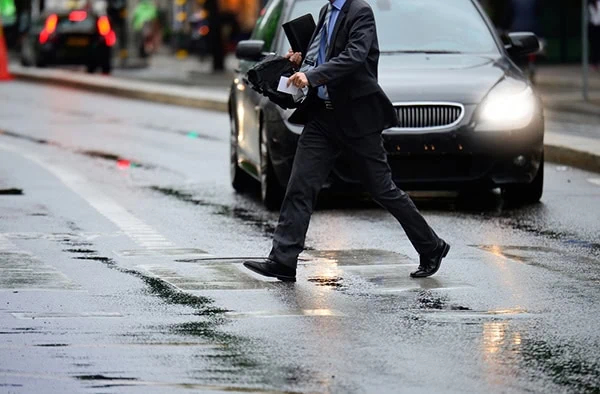
These tiny variations add up to big problems. Your lane keeping assist might try to “correct” you into oncoming traffic because it thinks you’re drifting when you’re actually centered in your lane. Your adaptive cruise control might maintain an unsafe following distance because it’s misjudging the gap between vehicles. Your pedestrian detection might miss a child stepping into a crosswalk in Garden City or Hempstead because the camera is looking in slightly the wrong direction.
Nassau County drivers face unique challenges that make proper calibration even more critical. Heavy traffic on Northern State Parkway means you’re constantly in stop-and-go situations where automatic emergency braking could be the difference between a close call and a collision. Construction zones throughout the county create lane shifts and unusual road markings that confused cameras might misinterpret. School zones in communities like Mineola and Westbury require your pedestrian detection to work flawlessly.
The insurance implications are serious too. If you’re in an accident and investigators discover your safety systems weren’t properly calibrated after windshield replacement, it could affect your coverage. Some insurance companies now require proof of calibration to validate claims. You might think you’re saving money by skipping calibration, but you’re actually putting yourself at financial and legal risk.
Insurance companies aren’t requiring ADAS calibration to make your life difficult. They’re doing it because the data shows these systems work—but only when they’re properly calibrated. Studies show that forward collision prevention can reduce rear-end crashes by up to 56% and prevent thousands of injuries annually. But that protection disappears when cameras are misaligned.
Your comprehensive coverage typically includes calibration costs when it’s part of a windshield replacement claim. Most Nassau County drivers only pay their deductible while insurance covers the rest. That’s because insurers recognize calibration as a necessary safety requirement, not an optional upgrade. They’d rather pay for proper calibration upfront than deal with the massive costs of accidents caused by malfunctioning safety systems.
The liability issues extend beyond just your insurance company. If your poorly calibrated safety systems contribute to an accident, you could face personal liability. New York State is implementing stricter requirements for ADAS calibration disclosure, meaning shops will need to be transparent about what your vehicle needs and why it matters for safety on local roads.
Think about the real-world scenarios Nassau County drivers face daily. You’re merging onto the Meadowbrook Parkway during morning rush hour when your blind spot monitoring fails to detect a vehicle because the sensor is misaligned. You’re navigating through a construction zone on Hempstead Turnpike when your lane departure system gives false alerts because it can’t properly read the temporary lane markings. You’re driving through a school zone in Valley Stream when your pedestrian detection misses a child because the camera is looking in the wrong direction.
These aren’t theoretical problems. They’re happening right now to drivers who thought their safety systems were working properly after windshield replacement. The technology that was designed to protect you becomes a false sense of security, and in some cases, an actual hazard.
Want live answers?
Connect with a First Class Auto Glass expert for fast, friendly support.
You might think calibration is just another way for shops to charge you more money. The reality is more sobering. The cost of proper calibration—typically $250 to $600 depending on your vehicle—is nothing compared to what you risk by skipping it.
Consider what happens in a single accident caused by malfunctioning safety systems. Vehicle damage, medical bills, potential lawsuits, increased insurance premiums, and the emotional trauma of knowing it could have been prevented. We’ve seen Nassau County families deal with accidents that could have been avoided if their ADAS systems had been working properly.
The financial risks extend beyond the immediate accident costs. Your vehicle’s warranty might be affected if you skip required calibration. Manufacturers specify calibration requirements for a reason—to ensure their safety systems work as designed. Skipping calibration could void warranty coverage for ADAS-related components, leaving you responsible for expensive repairs.

Real calibration isn’t something that can be “eyeballed” or approximated. It requires manufacturer-specific software, precision targeting equipment, and knowledge of each vehicle’s unique requirements. The process starts with a comprehensive diagnostic scan to identify which systems need attention and what type of calibration they require.
For static calibration, specialized targets are positioned at exact distances and angles in front of your vehicle. Laser alignment tools ensure cameras and sensors are positioned within the precise specifications your manufacturer requires. The process is measured in fractions of degrees and millimeters, not rough estimates.
Dynamic calibration involves controlled driving conditions where your systems learn and adjust in real-time. This isn’t a casual test drive around the block. It requires specific road conditions, speed ranges, and environmental factors to ensure your cameras can properly identify lane markings, vehicles, and potential hazards under real-world conditions.
The entire process typically takes 45 minutes to complete and can often be performed alongside windshield replacement service. You’ll receive documentation showing your ADAS systems are functioning correctly, which satisfies insurance requirements and gives you peace of mind. Most comprehensive insurance policies cover the service, meaning you typically only pay your deductible.
Professional calibration also includes thorough testing of all safety features before the job is considered complete. Your forward collision warning gets tested to ensure it alerts at the right distance. Your lane departure system is verified to accurately detect road markings. Your automatic emergency braking is checked to confirm it will engage when needed.
This level of precision is why not all auto glass shops can perform proper calibration. It requires significant investment in equipment, ongoing training, and certification to stay current with evolving technology and manufacturer requirements. Many shops focus only on glass replacement and lack the specialized tools needed for accurate camera calibration.
The most dangerous aspect of poor calibration is that you might not notice problems right away. Your car won’t necessarily display warning lights or obvious error messages. The systems will appear to work normally, but they’ll be operating with incorrect reference points.
However, there are subtle signs that indicate calibration problems. Your lane departure warnings might trigger when you’re clearly centered in your lane, or fail to alert when you actually drift. Your adaptive cruise control might maintain following distances that feel too close or too far. Your forward collision warnings might give false alerts for vehicles that aren’t actually threats, or worse, fail to warn about real dangers.
Pay attention to how your safety systems behave in familiar driving situations. If your blind spot monitoring seems less reliable than before, or your automatic emergency braking feels different during normal driving, these could be signs of calibration issues. Nassau County drivers often notice problems first in heavy traffic situations where these systems are most active.
After any windshield replacement, collision repair, or service that affects sensor positioning, professional calibration is essential. Even minor fender-benders or bumper repairs can shift cameras and sensors enough to affect their accuracy. Some vehicle manufacturers require calibration after suspension work, wheel alignments, or even tire replacements on certain models.
The safest approach is to have calibration performed whenever there’s any question about your systems’ accuracy. The cost of calibration is minimal compared to the potential consequences of driving with compromised safety features. Your family’s protection is worth more than the temporary inconvenience and expense of proper calibration.
Don’t wait for an obvious malfunction or accident to discover your safety systems aren’t working properly. By then, it’s too late to prevent the consequences. Professional calibration ensures your ADAS features work exactly as your vehicle manufacturer intended, providing the protection you and your family deserve.
Your car’s safety systems were designed to protect your family, not just monitor them. When they’re properly calibrated, you get the full protection you paid for when you bought that vehicle. No false alarms, no missed warnings, no safety gaps that could put you at risk during your daily commute through Nassau County.
The peace of mind that comes with knowing your safety features will respond exactly when they should is invaluable. Whether you’re navigating school zones, merging onto busy highways, or dealing with the unexpected situations that make Long Island driving challenging, properly calibrated systems give you that extra layer of protection.
If you’re concerned about your vehicle’s ADAS calibration after windshield replacement or any repair work, don’t wait. Contact us at First Class Auto Glass for professional mobile calibration service that comes to you throughout Nassau and Suffolk County.
Article details:
Share:
Continue learning: