Deciding between windshield repair and replacement in Amityville? Our expert guide covers damage assessment, Long Island driving conditions, and ADAS requirements.
Share:
Summary:
The first step in determining your next move is understanding what you’re actually looking at. Not all windshield damage is created equal, and the difference between a $100 repair and a $600 replacement often comes down to three critical factors.
Size matters most. When the chip is smaller than a quarter or crack is less than the size of a dollar bill, it’s usually safe and effective to opt for a repair. Location is equally important—damage directly in your line of sight or at the windshield’s edges requires different treatment than chips on the passenger side.
The type of damage also influences your options. Star breaks, bullseyes, and combination breaks each have different repair potential based on how the glass fractured and whether moisture or debris has gotten into the damage.
A low-cost windshield repair is possible when the crack is less than 6 inches in length, not located within the driver’s line of vision, doesn’t interfere with onboard sensors or dash cams, and when there are no more than two total defects on the windshield. These criteria exist for good reasons—they ensure the repair will actually restore your windshield’s structural integrity without compromising safety.
For Amityville drivers, repairs make particular sense given our local conditions. Most windshield repairs take 30-45 minutes and can be completed right at your location, whether you’re at home, work, or even running errands. This convenience factor is huge when you’re dealing with the time constraints of Long Island living.
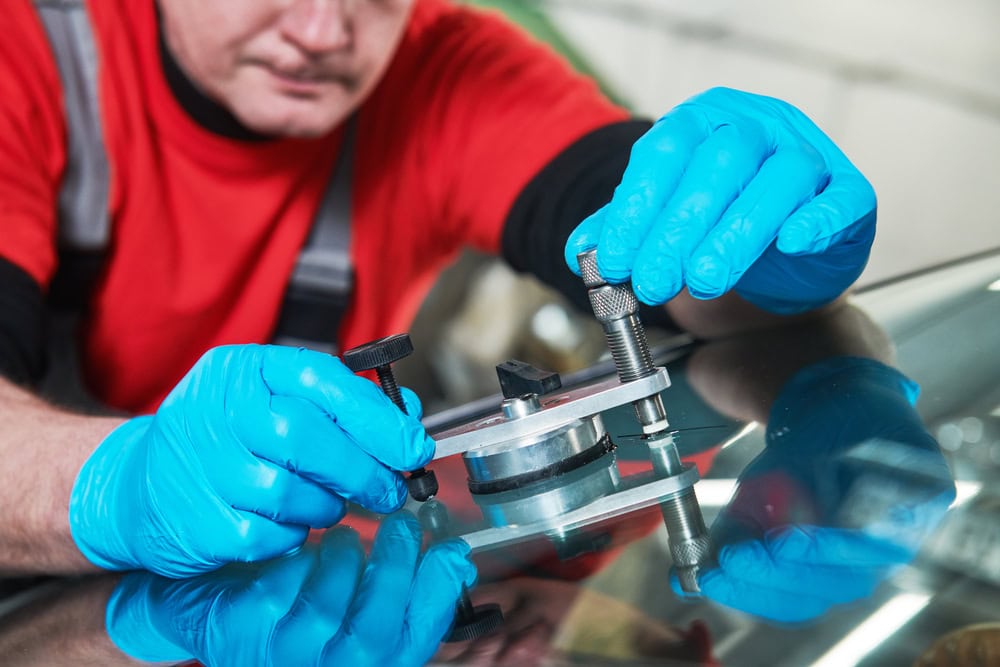
The repair process itself uses advanced technology. Advanced vacuum and pressure technology injects premium, optical-grade resin into the damage, which is then cured with UV light for a strong, clear finish. When done properly, a repair can restore up to 90% of the windshield’s original strength.
Many New York comprehensive policies include full glass coverage, so you often pay little or nothing out of pocket. Most insurance companies actually prefer repairs over replacements because they’re less expensive and faster to complete.
The key is acting quickly. Small chips can spread rapidly, especially with temperature changes and road vibrations common to Long Island driving. What starts as a repairable chip on Monday morning can become a replacement-required crack by Friday afternoon if left untreated.
Living in Amityville means navigating some of the most challenging driving conditions on Long Island. The Long Island Expressway runs roughly through the center of the island, while the Southern State Parkway spans the southernmost shore from Hecksher State Parkway in East Islip to the western junction with the Belt Parkway. These major arteries see constant construction, debris, and heavy truck traffic.
Sunrise Highway presents its own challenges. Running from Nassau County through to Montauk Point, it’s a constant source of flying gravel and road debris. The combination of commercial traffic, construction zones, and varying road surfaces creates perfect conditions for windshield damage. Winter brings additional hazards—salt trucks, plows, and the freeze-thaw cycle that can turn a small chip into a major crack overnight.
The north-south highways like the Cross Island Parkway, Wantagh Parkway, and Seaford Oyster Bay Expressway can be treacherous with major traffic backups at any point in the day. Stop-and-go traffic increases the likelihood of debris being kicked up by the vehicle ahead of you.
Merrick Road, being a local thoroughfare, sees constant delivery trucks, construction vehicles, and daily commuter traffic. The mix of commercial and residential use means you’re dealing with everything from landscaping trucks dropping debris to construction vehicles tracking dirt and gravel onto the roadway.
Understanding these local conditions helps explain why windshield damage is so common for Amityville drivers. It’s not just bad luck—it’s the reality of Long Island driving. The good news is that most damage occurs gradually, giving you time to make an informed decision about repair versus replacement.
Want live answers?
Connect with a First Class Auto Glass expert for fast, friendly support.
Some windshield damage simply can’t be repaired safely or effectively. Understanding when replacement is your only option protects both your safety and your wallet in the long run.
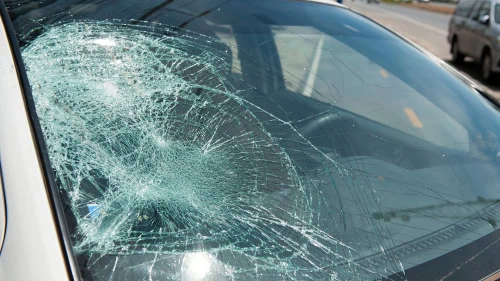
Any chip or crack that penetrates past the halfway point of the windshield thickness or both the outer and inner layer of a laminated windshield requires replacement, not only for safety but also to prevent the inner layer from becoming discolored over time. When damage occurs at the edges where the windshield’s strong holding points are located, structural integrity is compromised and replacement is necessary. If there are more than two damaged areas, schedule a replacement.
Location is critical for safety and legal compliance. Any damage in your direct line of sight requires replacement, even if it’s technically small enough to repair. New York state vehicle inspection requirements are strict about visibility obstructions.
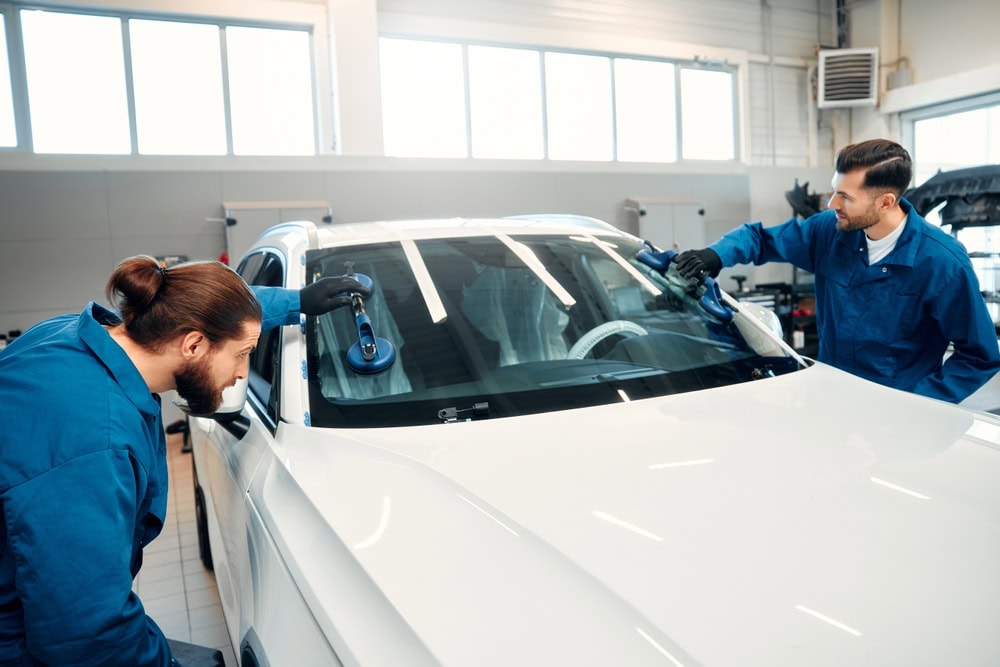
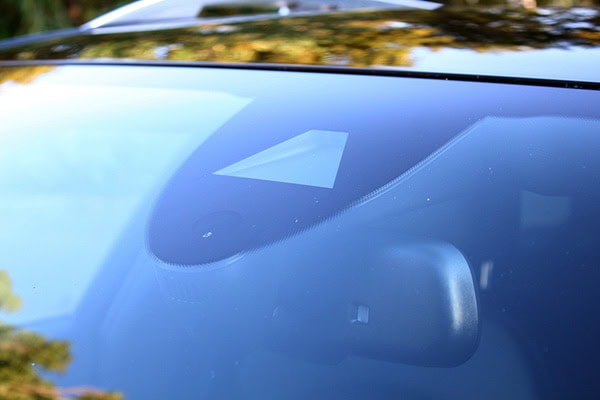
If your vehicle was manufactured after 2018, there’s a good chance it has Advanced Driver Assistance Systems (ADAS) that depend on cameras and sensors mounted near your windshield. Today, nearly 9 out of 10 model year 2023 cars require ADAS recalibration after a windshield replacement. This isn’t optional—it’s a safety requirement.
Recalibration is often necessary after windshield replacement, especially for vehicles equipped with advanced driver assistance systems. Many modern vehicles have cameras, sensors, and other technology mounted on or near the windshield that power safety features like lane departure warning, automatic emergency braking, adaptive cruise control, and forward collision warning.
The calibration process is complex and requires specialized equipment. During windshield replacement, even with perfect new glass, the mounting position of the camera can shift slightly. Calibration fine-tunes the camera and sensor angles back to exact specifications. Without it, your car’s computer might be “seeing” the road incorrectly.
The cost of ADAS recalibration can vary, but generally ranges around $300 to $600 in addition to the glass replacement cost, depending on the vehicle make, how many systems need calibrating, and whether it’s static or dynamic calibration. However, many insurance policies cover this additional cost as part of comprehensive coverage.
For standard windshield repairs, the process does not require recalibration of Advanced Driver Assistance Systems since repairs are performed directly on existing glass without removing it or disturbing the camera/sensor housing. Therefore, your vehicle’s safety features will continue to function normally after repair completion.
This is another compelling reason to pursue repairs when possible—you avoid both the additional cost and complexity of ADAS recalibration while maintaining your vehicle’s safety systems.
Understanding your insurance coverage can significantly impact your decision-making process. New York Insurance Law allows window glass coverage to be sold without a deductible, and authorized insurers can offer this as part of comprehensive coverage. This means many Amityville drivers can get windshield repairs completed at no out-of-pocket cost.
New York Insurance Law § 3411(k) allows window glass coverage to be sold without a deductible, and the New York State Department of Financial Services enforces that policies with comprehensive coverage must provide this full glass benefit. However, the specifics vary by insurance company and policy type.
For replacements, the situation becomes more complex. While the glass itself might be covered without a deductible, ADAS calibration costs can add significantly to the total bill. As long as you have comprehensive coverage, you’ll only be responsible for paying your deductible, and other recalibration costs will be covered. Most insurance companies partner with glass providers and will verify coverage and file claims. In most cases, filing an insurance claim to recalibrate your vehicle’s windshield won’t cause your comprehensive coverage premium to go up.
The financial math often favors repairs when they’re viable. A typical repair costs $60-100 if paid out of pocket, while replacements can range from $300-600 for standard vehicles, with luxury or ADAS-equipped vehicles potentially costing $1,000 or more. Even with insurance coverage, the time and complexity involved in replacements make repairs attractive when possible.
It’s worth noting that some insurance companies actually encourage repairs over replacements by waiving deductibles entirely for repair work, even in states where it’s not legally required. This approach saves them money while getting you back on the road faster.
The decision between repair and replacement ultimately comes down to damage size, location, and your vehicle’s technology requirements. Small chips and cracks away from your line of sight can often be repaired quickly and affordably, especially with New York’s favorable insurance laws. Larger damage, edge cracks, or anything affecting visibility requires replacement for safety and legal compliance.
For Amityville drivers dealing with Long Island’s challenging road conditions, the key is acting quickly and getting professional assessment. What starts as a repairable chip can quickly become a replacement-required crack, especially with our temperature swings and constant road vibrations.
When you need expert evaluation and service, we bring over 20 years of experience directly to your location in Suffolk and Nassau County, handling everything from simple repairs to complex ADAS-equipped vehicle replacements with lifetime warranty coverage.
Article details:
Share:
Continue learning: