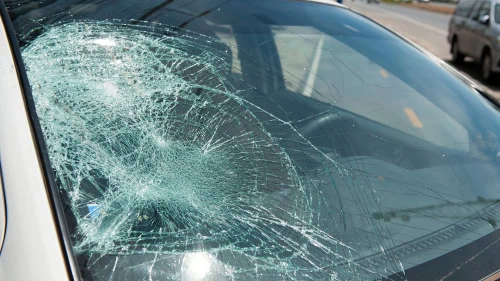
Long Island roads are tough on windshields. Construction debris, salt trucks, and temperature swings create the perfect storm for chips and cracks that spread fast.
Share:
Summary:
Long Island is always under construction. Whether it’s the LIE getting resurfaced between Exits 49 and 53 or local roads being repaired in Smithtown, construction zones create a constant stream of loose materials that end up airborne. Gravel, small rocks, chunks of asphalt, and metal fragments get kicked up by tires traveling at highway speeds.
When a rock hits your windshield at 55 mph, the impact creates enough force to chip the glass instantly. The damage might look minor at first—just a small divot or star-shaped crack. But that initial break compromises your windshield’s structural integrity, making it vulnerable to spreading.
Construction zones aren’t always marked clearly. By the time you see loose gravel on the road, you’re already driving through it. Trucks hauling materials to and from job sites add another layer of risk, especially if loads aren’t properly secured.

The Long Island Expressway, Southern State Parkway, and Northern State Parkway all share one thing in common: high-speed traffic and heavy commercial vehicle use. When you’re traveling at highway speeds, even a pebble becomes a projectile capable of causing windshield damage from road debris.
Trucks are the biggest culprits. Eighteen-wheelers and construction vehicles carry loads that include gravel, sand, dirt, and building materials. Despite regulations requiring secure loads, small pieces inevitably work loose and fall onto the roadway. When your tires or the tires of vehicles ahead of you hit these materials, they launch backward and upward—straight toward your windshield.
The faster you’re going, the harder the impact. A rock chip from highway driving typically causes more severe damage than one from city streets because of the velocity involved. Even maintaining a safe following distance doesn’t always protect you. Debris can bounce off the road surface or get thrown from vehicles several car lengths ahead.
This is why so many drivers in Huntington, Babylon, and Brookhaven notice chips after their daily commute. The LIE alone sees thousands of vehicles every day, each one potentially kicking up debris. Add in the ongoing construction projects that seem to stretch for miles, and you’ve got a perfect recipe for windshield chips. If you drive these routes regularly between Suffolk County, NY and Nassau County, NY, your windshield is constantly at risk.
You can’t avoid Long Island highways entirely, but you can reduce your exposure to flying debris. Staying alert and adjusting your driving habits makes a real difference in protecting your windshield from rock chip damage.
First, increase your following distance behind large trucks and construction vehicles. The farther back you stay, the more time debris has to fall harmlessly to the road instead of hitting your windshield. This matters most when you’re behind dump trucks or flatbeds carrying loose materials on Route 347 or Veterans Memorial Highway.
Second, avoid driving directly behind other vehicles when possible. Position yourself slightly to one side so debris kicked up by the car ahead has less chance of hitting you head-on. This works best in multi-lane situations where you have room to adjust your position.
Third, slow down when you see construction zones or areas with visible gravel on the road. Reducing your speed by even 10 mph significantly decreases the force of impact if something does hit your windshield. Lower speeds also give you more reaction time to spot hazards.
Pay attention to road conditions after heavy rain or during spring when winter damage becomes visible. Potholes and broken pavement create more opportunities for loose materials to scatter across lanes. If you spot a particularly rough stretch of road, consider taking an alternate route if time allows.
When you do get a chip, address it quickly. Small chips can often be repaired in 30 minutes or less with rock chip windshield repair, but once they start spreading, you’re looking at a full windshield replacement. Temperature changes, vibrations from driving, and even using your windshield wipers can cause a chip to turn into a crack. Getting windshield repair done early saves you money and keeps your windshield structurally sound.
Want live answers?
Connect with a First Class Auto Glass expert for fast, friendly support.
Winter hits Long Island windshields hard. Between November and March, your windshield faces two major threats: road salt spray and dramatic temperature swings. Both cause damage in different ways, and together they create conditions where small chips spread fast.
New York uses massive amounts of salt to keep roads clear—the state consumes more road salt than almost any other. Salt trucks spray brine solutions and spread rock salt across every major road in Suffolk County, NY and Nassau County, NY. When vehicles drive over treated roads, they kick up salt particles that act like sandpaper on your windshield. Over time, this creates tiny pits in the glass surface that weaken its structure and reduce visibility.
Temperature changes cause even more immediate problems. Long Island winters bring cold nights that drop below freezing, followed by warmer days when the sun heats up your car. This constant expansion and contraction puts stress on your windshield glass. If you already have a chip, these temperature swings will make it spread.

Road salt doesn’t just melt ice—it attacks your windshield. Salt particles are abrasive and corrosive. When they hit your windshield at high speeds, they create microscopic scratches and pits across the glass surface. You might not notice the damage immediately, but over multiple winters, salt exposure causes your windshield to develop a frosted or hazy appearance, especially when sunlight hits it at certain angles.
The bigger problem is what salt does to existing chips. Salt spray works its way into cracks and chips, bringing moisture with it. When temperatures drop below freezing, that moisture expands as it turns to ice. This expansion forces the crack to grow larger. Then when temperatures rise again, the ice melts, but the damage is already done. The crack has spread, and now you’re dealing with a bigger repair—or a full replacement.
Salt also collects along the edges of your windshield where the glass meets the frame. This buildup can weaken the seal between your windshield and the car body. A compromised seal means your windshield isn’t properly secured, which affects its ability to protect you in an accident. Your windshield provides up to 30 percent of your vehicle’s structural integrity, so maintaining that seal matters for safety.
Washing your car regularly during winter helps remove salt buildup before it causes serious damage. Focus on the windshield and the area around the glass edges. Use winter-grade washer fluid that won’t freeze when you need to clear salt spray while driving through Commack or along the Seaford-Oyster Bay Expressway. These simple steps reduce the cumulative effect of salt exposure over the season.
Long Island’s winter weather creates the perfect conditions for windshield chips to spread. Cold nights combined with sun-warmed days put constant stress on your glass. When temperatures drop, glass contracts. When they rise, glass expands. This expansion and contraction happens every single day during winter months.
If your windshield has even a small chip, these temperature swings will make it worse. The chip creates a weak point in the glass structure. As the glass expands and contracts around that weak point, the crack spreads outward. You might notice the crack growing longer each day, sometimes extending several inches overnight after a particularly cold night.
The stress isn’t just from outdoor temperatures. Using your defroster on a cold windshield creates rapid temperature changes that accelerate crack spreading. Pouring hot water on an icy windshield—something some people try in desperation—can cause immediate and severe cracking because of the extreme temperature differential. Even turning on your heat full blast when your car is freezing cold puts stress on the glass.
This is why winter is the worst time to ignore a windshield chip. What might stay stable during summer months will almost certainly spread once temperatures start fluctuating. Statistics show that about 50 percent of people who get rock chip damage end up needing a full windshield replacement within a year if they don’t get the chip repaired. In winter, that timeline accelerates dramatically.
If you notice a chip during winter, get windshield repair immediately. Professional rock chip windshield repair takes about 30 to 45 minutes and involves injecting specialized resin into the chip. The resin bonds with the glass and prevents the crack from spreading, even through temperature changes. Most comprehensive insurance policies cover chip repairs with no deductible, making it an easy decision. Waiting until spring means you’ll likely be paying for a full replacement instead of a quick repair.
Long Island roads are tough on windshields. Construction debris, salt trucks, highway speeds, temperature swings, and constant traffic create daily threats to your glass. Understanding these windshield chip causes helps you drive more defensively and recognize when a chip needs immediate attention.
The key takeaway: small chips don’t stay small, especially in winter. Temperature changes and road vibrations turn minor damage into expensive cracks fast. Getting chips repaired quickly—usually in under an hour with mobile service—protects your windshield’s structural integrity and saves you from costly replacements down the road.
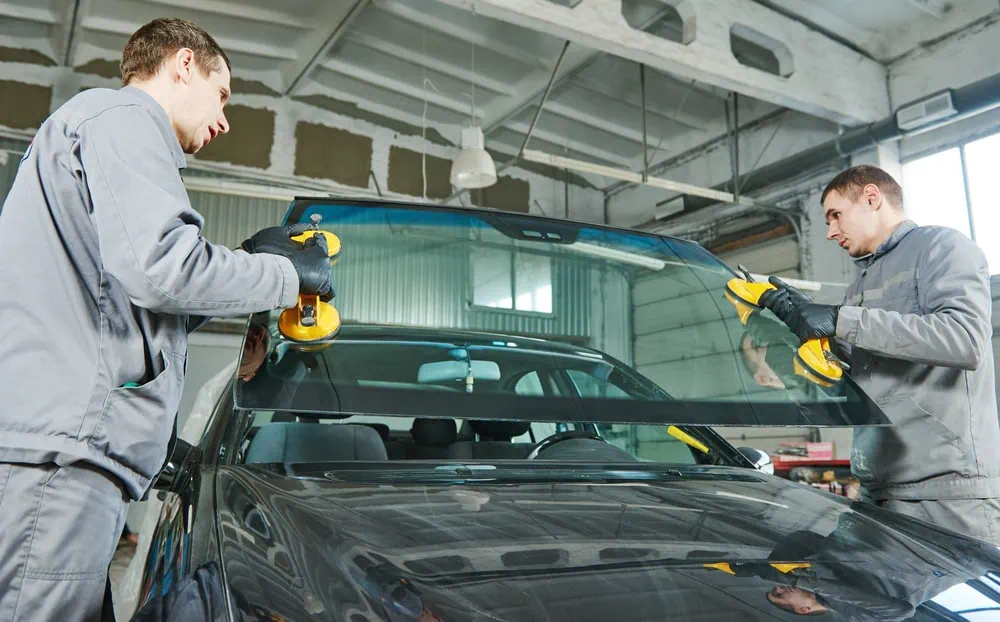
If you’re dealing with a chip or crack in Suffolk County, NY or Nassau County, NY, we bring professional windshield repair and replacement service directly to your location. With over 20 years of experience and proper ADAS calibration for newer vehicles, you get the expertise your windshield needs without the hassle of visiting a shop.
Article details:
Share:
Continue learning: