
Front Camera Calibration in Port Washington

Your Safety Systems Work Like New

Professional camera calibration service that ensures your vehicle’s advanced safety features function exactly as designed after windshield replacement.

A male factory worker wearing a high-visibility vest and safety helmet is standing on an industrial floor, holding and using a tablet computer to monitor or control manufacturing processes, with large machinery and production lines visible in the background.

Hear From Our Customers

Close-up view of a car’s infotainment screen showing the live feed from the rearview camera, with colored guiding lines overlaid to assist with parking; parts of the car’s rear bumper and the surrounding parking lot are visible.

ADAS Calibration Port Washington, NY

Drive With Complete Confidence Again

Your forward collision warning responds instantly when it matters. Your lane departure system catches every drift before you do. Your adaptive cruise control maintains perfect following distance.

That’s what proper camera calibration delivers. When your windshield gets replaced, even the slightest misalignment can throw off these critical safety systems. Professional calibration restores your vehicle’s ability to see the road exactly as the manufacturer intended.

You’re not just getting a service—you’re getting your peace of mind back. Every alert, every automatic adjustment, every safety intervention works with the precision that keeps you and your family protected on Long Island roads.

Mobile Camera Calibration Long Island

Owner-Operated Excellence Since 2016

First Class Auto Glass brings over 20 years of industry expertise directly to Port Washington, NY driveways and parking lots. As a Dinitrol certified and New York State certified mobile repair shop, we’ve completed over 10,000 successful services across Long Island and Queens.

Unlike large chains, every job gets personal attention from the owner. We understand Port Washington’s unique rhythm—from the morning rush near the LIRR station to weekend boat prep at the marina. That’s why we offer flexible scheduling that works around your life, not the other way around.

When your BMW, Mercedes, or any vehicle with advanced safety systems needs calibration, you’re dealing directly with certified professionals who take responsibility for getting it right the first time.

Close-up of a car’s rearview camera lens mounted above the license plate on the back of the vehicle, showing the small, weather-resistant housing and surrounding body panel details.

Windshield Calibration Process NY

Precise Calibration In Three Steps

First, we perform a comprehensive diagnostic to identify your vehicle’s specific calibration requirements. Different manufacturers require different approaches—some need static calibration with specialized targets, others require dynamic calibration through controlled driving.

Next, using OEM-approved equipment and procedures, we align your cameras and sensors to factory specifications. This isn’t guesswork—it’s precision work that follows exact manufacturer guidelines for your vehicle’s make and model.

Finally, we verify everything works correctly through systematic testing. Your lane departure warnings, forward collision alerts, and adaptive cruise control all get checked to ensure they respond accurately. You’ll know your safety systems are functioning exactly as designed before we leave your location.
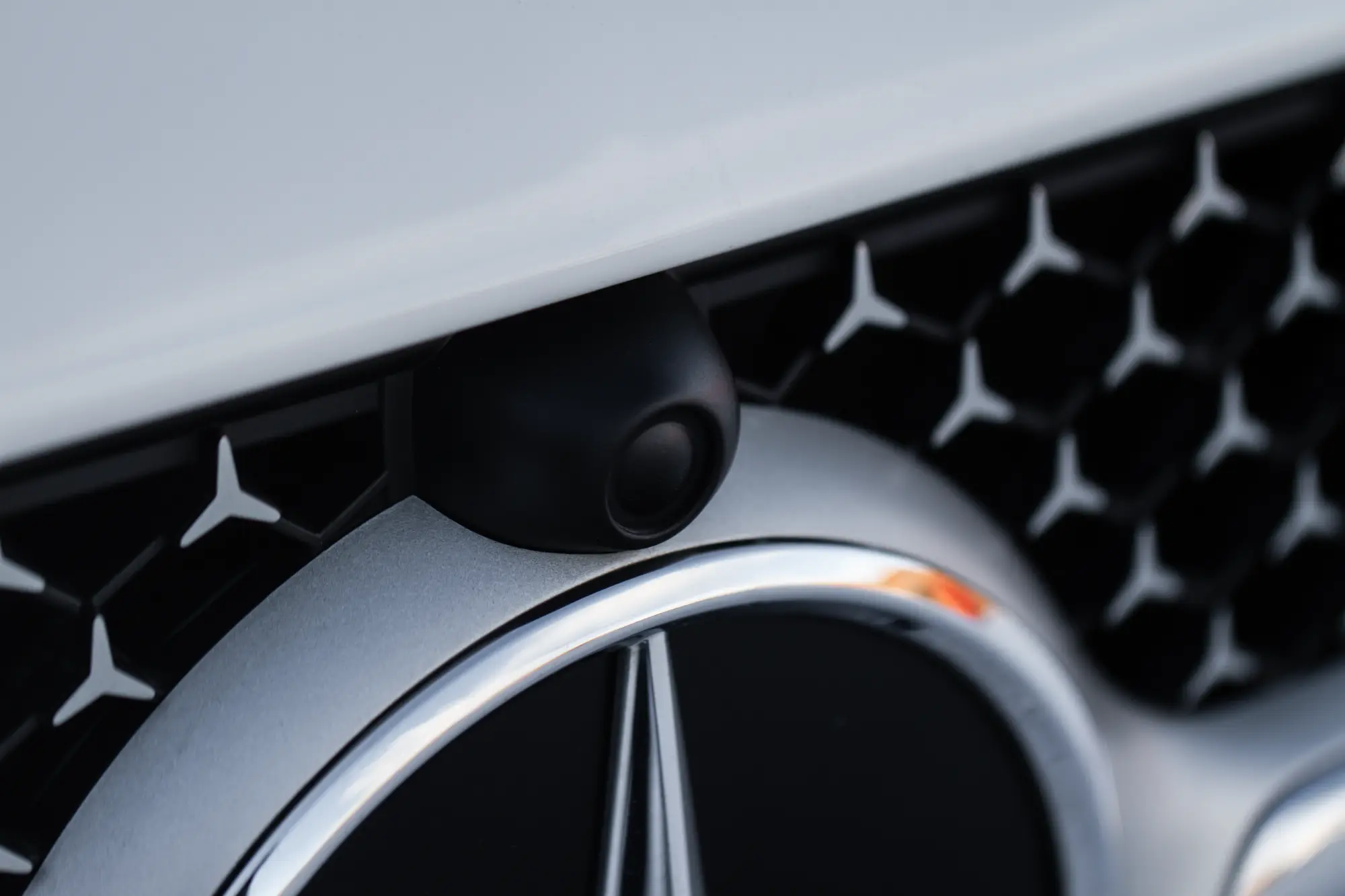
Close-up of the front section of a car, showing detailed features such as the grille, headlights, and body contours, with reflections highlighting the paint finish.

Ready to get started?

Explore More Services

About First Class Auto Glass

Get a Free Consultation

Camera Calibration After Windshield Replacement

Complete Mobile Calibration Service

Your calibration service includes comprehensive diagnostic testing, precision alignment using manufacturer-approved equipment, and verification of all safety system functions. We handle forward-facing cameras, lane departure systems, adaptive cruise control sensors, and collision warning systems.

Port Washington, NY drivers deal with unique challenges—from the congested Manhasset Bay area to the winding roads near Sands Point. Your calibrated systems need to respond accurately to these local driving conditions. That’s why we test every system against real-world scenarios you’ll encounter on your daily routes.

The service comes with a lifetime warranty and direct insurance billing when applicable. We’re authorized by major insurance companies and handle all the paperwork, so you focus on getting back to your routine while we ensure your vehicle’s safety systems protect you properly.

Graphic representation of an autonomous vehicle equipped with multiple sensors, cameras, and radar units detecting surrounding objects, pedestrians, and other vehicles on the road, with digital overlays illustrating detection zones and safety ranges.
Yes, nearly all vehicle manufacturers require camera calibration after windshield replacement. Even when using OEM glass, the mounting position can shift slightly during installation, affecting your safety systems’ accuracy. Your forward-facing camera controls critical features like lane departure warnings, adaptive cruise control, and collision avoidance. A misalignment of just a few degrees can cause these systems to react incorrectly or fail to respond when needed. Some vehicles will actually disable ADAS features if the system detects calibration issues. Insurance companies increasingly require proper calibration to validate claims, and skipping this step can create liability issues if your safety systems don’t function properly in an emergency. It’s not worth the risk when professional calibration ensures everything works as designed.
Most camera calibration services take between 30 minutes to 2 hours, depending on your vehicle’s specific requirements and calibration type. Luxury vehicles and newer models with multiple safety systems typically require more time. Static calibration, performed while your vehicle is stationary using specialized targets, usually takes about an hour. Dynamic calibration requires a controlled test drive at specific speeds and can take longer depending on road conditions and traffic. We’ll give you an accurate time estimate based on your vehicle’s make, model, and year when scheduling your appointment. We work efficiently while ensuring every system meets manufacturer specifications, so you get quality work without unnecessary delays.
Static calibration is performed while your vehicle remains parked, using specialized targets and equipment positioned in front of your car. The cameras and sensors are aligned to these precise reference points in a controlled environment. Dynamic calibration requires driving your vehicle at specific speeds on well-marked roads while connected to diagnostic equipment. The system learns by reading actual lane markings and road signs during the calibration drive. Some vehicles require both types of calibration to ensure all safety systems function properly. We’ll determine which type your specific vehicle needs based on manufacturer requirements and perform the appropriate calibration method for your make and model.
Most comprehensive insurance policies cover camera calibration when it’s required after a covered windshield replacement. Many insurance companies now recognize calibration as a necessary part of the repair process, not an optional service. We can verify your coverage and handle direct billing with your insurance company, eliminating out-of-pocket expenses and paperwork for you. We work with hundreds of insurance providers and understand the claim process. In most cases, filing a claim for calibration won’t affect your comprehensive coverage premiums. However, coverage varies by policy, so we’ll confirm your specific benefits before beginning work to avoid any surprises.
You can drive your vehicle, but your safety systems may not function properly or may be completely disabled. Many vehicles display warning lights or messages when cameras are out of calibration, alerting you that ADAS features aren’t working. Without proper calibration, features like automatic emergency braking, lane departure warnings, and adaptive cruise control may not respond correctly to road conditions. This creates a significant safety risk, especially in emergency situations where these systems are designed to prevent accidents. It’s safest to schedule calibration as soon as possible after windshield replacement. Mobile service means you don’t have to drive to a shop—we come to your location and complete the work where your vehicle is parked.
Properly calibrated systems will clear any warning lights on your dashboard and function smoothly without false alerts. Your lane departure system should only activate when you actually drift toward lane markings, not when you’re properly centered in your lane. Adaptive cruise control should maintain consistent following distances and respond appropriately to traffic changes. Forward collision warnings should activate at appropriate times without constant false alarms during normal driving conditions. Professional calibration includes verification testing where we confirm all systems respond correctly. You’ll receive documentation showing the calibration was completed to manufacturer specifications, and any warning lights or error messages should be resolved before the service is complete.