
Front Camera Calibration in Freeport, NY

Your Safety Systems Work Right the First Time

Professional front camera calibration that prevents dashboard warning lights and keeps your safety features functioning exactly as designed.

A male factory worker wearing a high-visibility vest and safety helmet is standing on an industrial floor, holding and using a tablet computer to monitor or control manufacturing processes, with large machinery and production lines visible in the background.

Hear From Our Customers

Close-up view of a car’s infotainment screen showing the live feed from the rearview camera, with colored guiding lines overlaid to assist with parking; parts of the car’s rear bumper and the surrounding parking lot are visible.

Windshield Calibration Services Freeport

Drive Without Dashboard Warning Lights

Your newer car’s safety systems depend on precise camera alignment. When that windshield gets replaced, even a millimeter of misalignment can trigger a cascade of warning lights and system failures.

Professional calibration eliminates the guesswork. Your lane departure warnings work correctly. Your automatic emergency braking responds when it should. Your adaptive cruise control maintains proper following distance.

No more Christmas tree dashboards. No more wondering if your safety systems will work when you need them most.

Auto Glass Experts Freeport NY

Owner-Operated Since 2016

First Class Auto Glass brings over 20 years of auto glass experience directly to Freeport drivers. As a Dinitrol certified and New York State certified mobile repair shop, we handle the technical demands of modern vehicles.

Unlike large chains, the owner personally performs every installation. This means consistent quality, attention to detail, and accountability you can count on.

We’ve completed over 10,000 successful services across Long Island and Queens, specializing in insurance-based customers with newer cars featuring front-facing cameras.

Close-up of a car’s rearview camera lens mounted above the license plate on the back of the vehicle, showing the small, weather-resistant housing and surrounding body panel details.

Camera Calibration Process Freeport

Mobile Service That Comes to You

We start with a pre-scan to identify which systems need calibration after your windshield replacement. This diagnostic step ensures we address every safety feature connected to your windshield.

The calibration process uses manufacturer-specific procedures and OEM-grade equipment. Static calibration involves positioning targets at precise distances and angles. Dynamic calibration requires driving the vehicle at specific speeds on well-marked roads.

Most calibrations take 30 minutes to 2 hours, depending on your vehicle’s systems. We perform a final post-scan to verify all safety features are functioning correctly before you drive away.
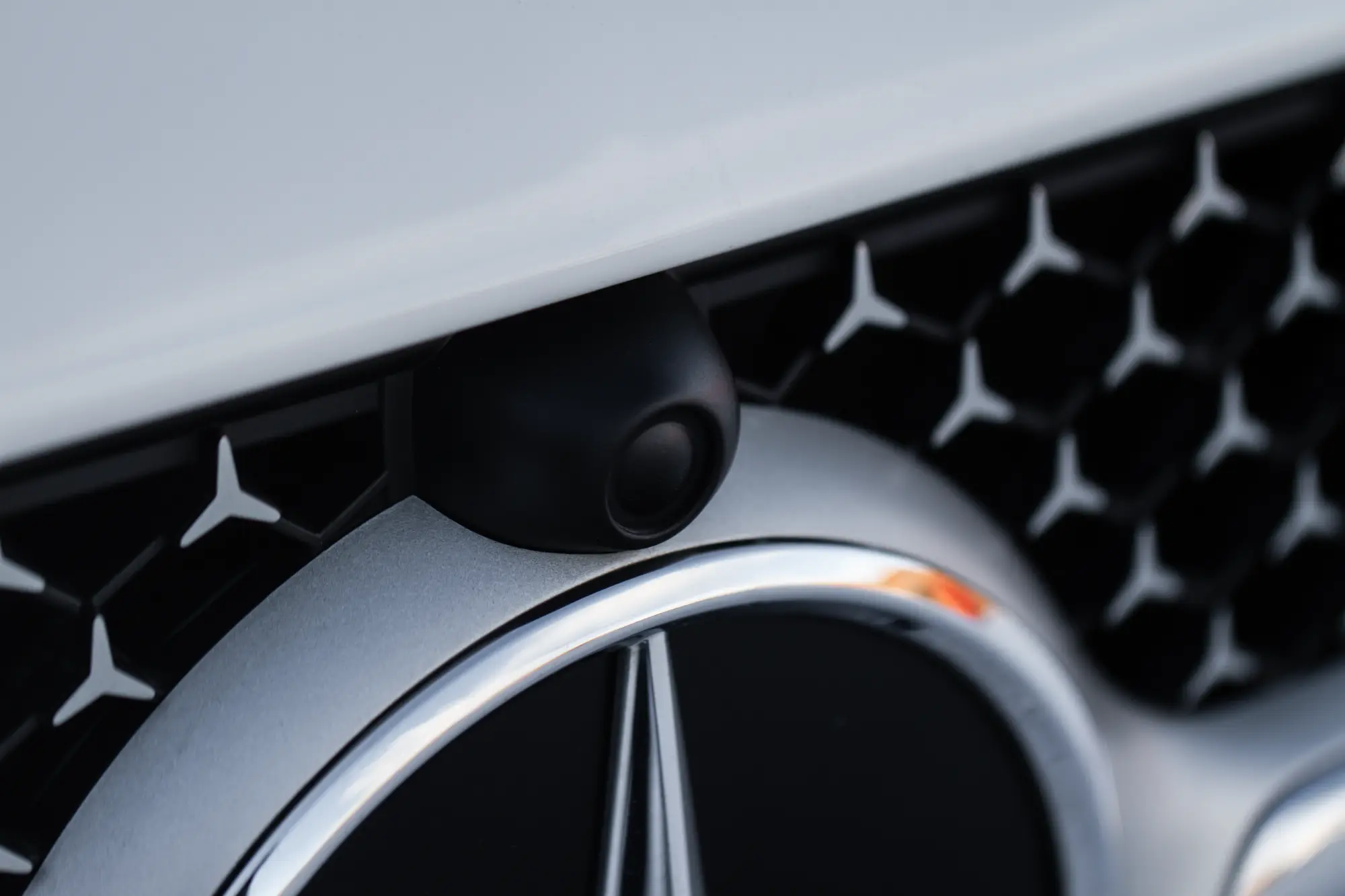
Close-up of the front section of a car, showing detailed features such as the grille, headlights, and body contours, with reflections highlighting the paint finish.

Ready to get started?

Explore More Services

About First Class Auto Glass

Get a Free Consultation

Suffolk County ADAS Calibration

What's Included in Professional Calibration

Professional front camera calibration addresses multiple safety systems in one service. Forward collision warning, lane departure warning, adaptive cruise control, and automatic emergency braking all depend on precise camera alignment.

In Freeport and throughout Suffolk County, we see the consequences of skipped calibrations daily. Dashboard warning lights, false safety alerts, and systems that fail when needed most. The average calibration cost of $300-$600 prevents thousands in diagnostic fees and system repairs.

Our mobile service eliminates the inconvenience of shop visits. We bring the calibration equipment to your home, office, or anywhere in the Freeport area. Insurance typically covers calibration as part of windshield replacement claims.

Graphic representation of an autonomous vehicle equipped with multiple sensors, cameras, and radar units detecting surrounding objects, pedestrians, and other vehicles on the road, with digital overlays illustrating detection zones and safety ranges.
Yes, nearly all vehicle manufacturers require safety system recalibration after windshield replacement. Even when using OEM glass, the installation process can shift camera positioning by fractions of degrees. This small misalignment becomes significant at highway distances. A camera that’s off by one degree is aimed at an area 50+ feet off target down the road. Your safety systems make split-second decisions based on this input. Without proper calibration, you’ll likely see dashboard warning lights, false alerts, or complete system failures. Some insurance companies and dealerships won’t honor warranties on vehicles with uncalibrated safety systems.
Most calibrations take 30 minutes to 2 hours, depending on your vehicle’s complexity and the number of systems requiring attention. Simple single-camera systems calibrate faster than multi-camera setups. Static calibration happens while your vehicle is parked, using targets positioned at specific distances. Dynamic calibration requires driving at set speeds on well-marked roads for predetermined distances. We perform both types as needed by your vehicle manufacturer. The process includes pre-scan diagnostics, calibration procedures, and post-scan verification to ensure all systems function correctly.
Most comprehensive insurance policies cover ADAS calibration as part of windshield replacement claims. You typically pay only your deductible, with insurance covering the remaining calibration costs. We work directly with hundreds of insurance companies and handle the claim filing process. This eliminates the paperwork hassle and ensures proper documentation for coverage approval. When filing your windshield claim, mention the need for calibration upfront. This alerts your insurance company to the additional service requirement and streamlines the approval process.
Skipping calibration creates multiple safety and financial risks. Your dashboard will likely display warning lights for lane departure, collision avoidance, and other safety systems. These aren’t just nuisance lights—they indicate real system malfunctions. Uncalibrated systems send false warnings that can cause dangerous driver reactions. Safety features may fail completely when you need them most. Some systems won’t function at all without proper calibration. The diagnostic codes and system repairs that result from skipped calibration often cost thousands more than the original calibration service. It’s always more expensive to fix problems than prevent them.
While your vehicle will start and drive, uncalibrated safety systems compromise your protection. Lane departure warnings may not alert you to actual lane drift. Automatic emergency braking might not engage when needed. Some drivers experience constant false alerts from misaligned systems. Others lose safety features entirely. The uncertainty alone creates stress and reduces driving confidence. If you must drive before calibration, avoid relying on any safety features. Drive as if these systems don’t exist until proper calibration restores their functionality.
Any vehicle with cameras, sensors, or safety systems connected to the windshield needs calibration after replacement. This includes most cars from 2015 onward and virtually all vehicles with features like adaptive cruise control, lane departure warning, or automatic emergency braking. The complexity varies by manufacturer and model. Some vehicles have single forward-facing cameras, while others use multiple cameras and sensors. Luxury vehicles and newer models typically require more extensive calibration procedures. Check your owner’s manual for ADAS features, or look for cameras mounted near your rearview mirror. If you’re unsure, we can perform a diagnostic scan to identify which systems need attention.