

Hear From Our Customers
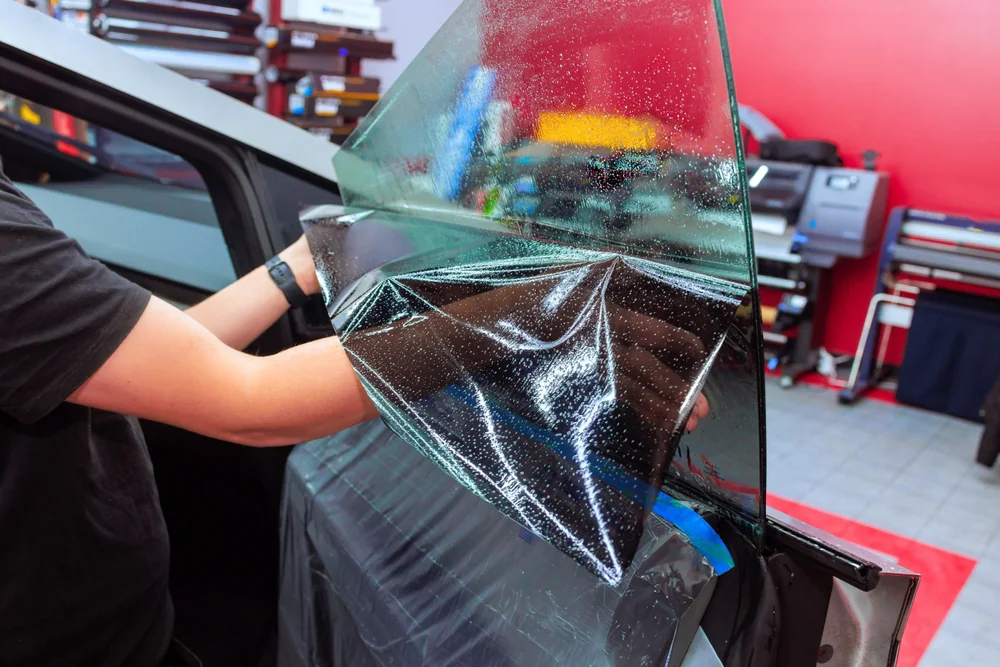
That crack in your windshield isn’t getting smaller. Temperature swings and road vibration turn a repairable chip into a full replacement fast—usually within days.
You don’t have time to sit in a waiting room. You’ve got work, kids, errands, and a schedule that doesn’t include driving to a shop, waiting around, and figuring out a ride home.
Mobile service means the work happens at your house, your office, or wherever your car is parked. Most jobs finish in under an hour. Your windshield gets replaced or repaired with the same materials and process as any shop, just without the inconvenience. If your vehicle has a front-facing camera, the calibration happens on-site too—no second trip, no extra appointment.
You’re not working around someone else’s hours. The repair comes to you, gets done right, and you move on with your day.
We’ve been serving Lindenhurst, Suffolk County, and Nassau County since 2016. Same owner, same technician, same attention on every job—over 10,000 repairs and replacements so far.
This isn’t a franchise model where you get whoever’s available. You get someone with over 20 years in the industry who’s Dinitrol certified and a New York State certified mobile repair shop. Every installation comes with a lifetime warranty because the work is done right the first time.
Lindenhurst drivers deal with the same road conditions as the rest of Long Island—salt, potholes, highway debris, and temperature extremes that stress glass. You need someone who understands how those factors affect your windshield and what it takes to make a repair last.

You call or text with your vehicle info and describe the damage. You’ll get an upfront quote that includes parts, labor, and calibration if your car has ADAS features. Most insurance policies in New York cover windshield replacement with no deductible under comprehensive coverage—if you’re filing a claim, that gets handled during the same conversation.
An appointment gets scheduled at your location. Our mobile unit arrives with everything needed—glass, tools, adhesives, and calibration equipment for vehicles with forward-facing cameras.
The damaged glass comes out, the new windshield goes in using high-grade urethane adhesive, and the installation cures to full strength. If your vehicle has lane departure warning, adaptive cruise control, or automatic emergency braking, the camera gets recalibrated on-site. That includes diagnostic scanning, sensor alignment, and system verification to confirm everything works as intended.
You get documentation for insurance and warranty purposes. The entire process typically takes 60 to 90 minutes depending on the vehicle. You’re done without leaving your driveway.

Ready to get started?
Windshield replacement covers removal of the damaged glass, installation of OEM-equivalent or OEM glass depending on your vehicle and preference, and full adhesive cure time before you drive. The lifetime warranty covers defects in materials and workmanship for as long as you own the vehicle.
ADAS calibration is required on most vehicles built after 2018 with front-facing cameras. Without recalibration after windshield replacement, your lane-keeping assist, collision warning, and automatic braking systems may not function correctly. The calibration process uses diagnostic tools to reset the camera’s field of view and verify that all safety systems respond as designed.
Lindenhurst drivers with comprehensive insurance usually pay nothing out of pocket. New York is one of five states that require auto policies with comprehensive coverage to cover safety glass repair and replacement without applying your deductible. That means a $500 or $1,000 deductible doesn’t come into play for windshield work.
Chip repair is an option for damage smaller than a dollar bill that’s not directly in the driver’s sightline. The repair uses specialized resin to fill the damaged area, prevent spreading, and restore structural integrity. Most chip repairs take 30 minutes and are fully covered by insurance.

If your vehicle has a camera mounted behind the rearview mirror or near the windshield, yes. That camera is part of your Advanced Driver Assistance Systems—things like lane departure warning, adaptive cruise control, and automatic emergency braking.
When the windshield comes off, the camera’s position shifts slightly. Even a millimeter of change affects how the system reads the road. Recalibration realigns the camera so your safety features work the way the manufacturer intended.
Most cars built after 2018 have at least one ADAS feature. If you’re not sure whether your vehicle needs calibration, check your owner’s manual or look for a small camera housing at the top center of your windshield. If it’s there, calibration isn’t optional—it’s required for the system to function correctly.
Most replacements take 60 to 90 minutes from start to finish. That includes removing the old glass, prepping the frame, installing the new windshield, and letting the adhesive set to safe-drive cure strength.
If your vehicle requires ADAS calibration, add another 30 to 45 minutes for the diagnostic scan and camera alignment. The entire process still happens in one appointment at your location.
You can drive the vehicle as soon as the work is done, but the adhesive reaches full bond strength after 24 hours. During that first day, avoid car washes, keep the windows cracked slightly to equalize pressure, and don’t slam the doors harder than necessary. Normal driving is fine—just give the seal time to fully cure.
If you carry comprehensive coverage on your policy, New York law requires your insurer to cover windshield repair or replacement without applying your deductible. That’s specific to safety glass—your windshield, door windows, and back glass.
You’ll still need to file a claim, but you won’t pay the $500 or $1,000 deductible that applies to other types of damage. The insurance company pays the full approved amount directly to us.
Some policies have separate glass coverage with even broader protection. Either way, we handle the claim process during scheduling. You’ll need your policy number and VIN, and we contact your insurer to verify coverage and get approval before the work starts. Most claims are approved within minutes.
Chips smaller than a dollar bill and cracks shorter than three inches can usually be repaired if they’re not directly in the driver’s line of sight. The repair injects a specialized resin into the damaged area, which bonds with the glass and prevents the chip from spreading.
A proper repair restores about 80-90% of the windshield’s original strength. It won’t be invisible—you’ll still see a small mark where the damage was—but it stops the crack from growing and avoids the cost of full replacement.
If the damage is larger, directly in your sightline, or at the edge of the windshield where it compromises structural integrity, replacement is the only safe option. Windshields are part of your vehicle’s safety structure. They support the roof in a rollover and help airbags deploy correctly. When the damage is too severe, repair isn’t worth the risk.
OEM stands for Original Equipment Manufacturer—the same glass your vehicle came with from the factory. It’s made by the same supplier to the same specifications, with the automaker’s logo etched in the corner.
Aftermarket glass is made by third-party manufacturers to fit your vehicle. It meets federal safety standards and performs the same function, but it’s not branded by the automaker. The quality of aftermarket glass varies by manufacturer—some match OEM specs closely, others cut corners on thickness or optical clarity.
For most vehicles, high-quality aftermarket glass works fine and costs less. For luxury vehicles, cars with heads-up displays, or anything with complex ADAS features, OEM glass is usually the better choice. The fit is exact, the optical quality matches what the camera systems expect, and there’s no question about compatibility. Your insurance policy may specify OEM or aftermarket—that gets clarified when the claim is filed.
As soon as possible. Cracks spread—it’s not a matter of if, but when. Temperature changes cause the glass to expand and contract. Road vibration stresses the damaged area. Even a small crack can spiderweb across your entire windshield in a matter of days.
A cracked windshield also compromises your vehicle’s structural integrity. In a collision or rollover, the windshield is designed to keep the roof from collapsing and help airbags deploy in the right direction. Damaged glass can’t do that job effectively.
New York vehicle inspection rules are strict about windshield damage. If the crack is in the driver’s line of sight or longer than 11 inches anywhere on the glass, your vehicle won’t pass inspection. You’ll need to get it replaced before you can renew your registration. Waiting doesn’t save money—it just increases the chance that a repairable chip turns into a full replacement.