

Hear From Our Customers
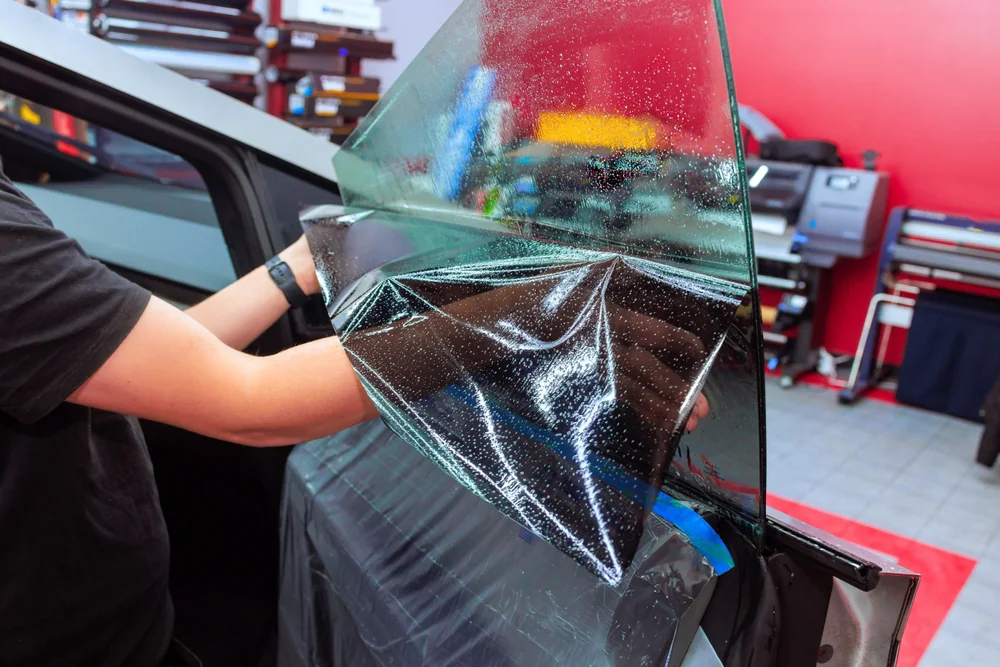
You’re not losing half a day driving to a shop and sitting in a waiting room. The work comes to you—your driveway, your office parking lot, wherever makes sense.
Your windshield gets replaced with OEM-quality glass that actually fits. If your car has a front-facing camera—and most 2016 and newer vehicles do—that camera gets recalibrated so your lane departure warning, automatic braking, and collision detection actually work the way the manufacturer intended.
You’re not wondering if the job was done right. There’s a lifetime warranty backing the installation, and you’re working directly with someone who’s been doing this for over two decades. No call center. No subcontractors showing up in unmarked vans. Just experienced hands and proper equipment.
The whole process takes about an hour, sometimes two if calibration’s involved. Then you’re back to your day, your car’s safe to drive, and your insurance claim is handled without you chasing paperwork.
We’ve been serving Dix Hills and the surrounding Long Island communities since 2016, but the experience behind our work goes back more than 20 years. This is an owner-operated business, which means when you call, you’re talking to someone who actually knows the difference between a proper installation and a quick one.
Our certifications matter. Dinitrol certified means we use adhesive systems trusted by luxury manufacturers. New York State certified mobile repair shop means we meet the standards required to do this work legally and safely across Long Island and Queens.
Dix Hills drivers deal with some of the highest insurance rates in New York—full coverage averages over $4,000 a year in Suffolk County. That’s why most of our work is insurance-based, with direct billing to keep your out-of-pocket costs down. You’re already paying enough. The glass work shouldn’t add to it.

You call or text with your vehicle info and location. You’ll get a clear answer on timing, cost, and whether your insurance covers it. Most claims are handled directly, so you’re not stuck filing paperwork yourself.
Our mobile unit shows up at the time you picked—your home, your workplace, wherever you need it done. The damaged glass comes out, the frame gets prepped and cleaned, and new OEM or premium aftermarket glass goes in using manufacturer-spec adhesives. If your vehicle has ADAS—lane assist, collision warning, adaptive cruise—the front camera gets recalibrated using certified equipment. This isn’t optional. Nearly every 2023 model year car requires it, and skipping this step means your safety systems won’t function correctly.
The installation takes 45 minutes to two hours depending on the vehicle and calibration needs. You’ll get a lifetime warranty on the work, and the safe-drive time is explained before you leave. Most modern adhesives cure fast, but you still need to follow the guidelines to avoid leaks or seal failures.
That’s it. No trips to the shop. No waiting rooms. No wondering if it was done right.

Ready to get started?
You’re getting a full windshield replacement or repair using glass that meets or exceeds OEM standards. That means it fits correctly, doesn’t distort your view, and holds up to Long Island weather—salt, snow, summer heat, all of it.
If your car was built after 2016, there’s a good chance it has advanced driver assistance systems. In Dix Hills and across Suffolk County, nearly 9 out of 10 newer vehicles need ADAS recalibration after a windshield replacement. That’s not an upsell. It’s a requirement. Your forward collision warning, lane keeping assist, and automatic emergency braking depend on that camera being aimed perfectly. Off by even a few millimeters, and the system either won’t work or will give false alerts.
The service includes insurance claim handling when applicable. You’re not filling out forms or calling your adjuster five times. Our mobile unit has everything needed on-site—tools, glass, calibration equipment. Same-day and emergency service is available for urgent situations, because a cracked windshield in your line of sight isn’t something you should be driving around with for a week.
And the lifetime warranty covers the installation for as long as you own the vehicle. If there’s a leak, a seal issue, or any problem related to the work, it gets fixed. No argument.

Cost depends on your vehicle make, model, and whether ADAS calibration is required. Most insurance policies cover windshield replacement with either a waived deductible or a reduced one—New York doesn’t have a zero-deductible glass law, but many insurers offer it as part of comprehensive coverage.
If you’re paying out of pocket, a standard windshield replacement typically runs between $200 and $400. Add ADAS calibration for vehicles with front-facing cameras, and you’re looking at another $150 to $300 depending on the system. Luxury vehicles or those with heads-up displays, rain sensors, or heated glass cost more because the parts themselves cost more.
The best move is to call with your VIN or vehicle details. You’ll get an exact quote, and if insurance is involved, we can handle the claim directly so you’re not stuck with surprise bills. Most Dix Hills customers end up paying little to nothing out of pocket when their policy includes glass coverage.
Yes. If your car has a camera mounted behind the rearview mirror—used for lane departure warnings, automatic braking, adaptive cruise control, or collision alerts—that camera has to be recalibrated after the windshield is replaced. It’s not a recommendation. It’s a manufacturer requirement.
Even a perfectly installed windshield sits at a slightly different angle than the original. That tiny difference throws off the camera’s aim, which means your safety systems either won’t activate when they should or will trigger falsely when there’s no danger. The ADAS calibration market exists because this is a real problem. In 2023, nearly 90% of new cars have at least one system that depends on that camera being calibrated correctly.
Skipping calibration puts you at risk. Studies show that properly functioning ADAS can prevent millions of crashes annually. If the system isn’t calibrated and fails to stop your car when it should have, that’s not just a mechanical failure—it’s a safety failure. We won’t skip this step, and any reputable auto glass company in Dix Hills will tell you the same thing. If they’re not offering calibration for a car that needs it, that’s a red flag.
The actual installation takes about 45 minutes for a straightforward windshield replacement. If ADAS calibration is required, add another 30 minutes to an hour depending on your vehicle’s system. So you’re looking at one to two hours total for most jobs.
Our mobile unit shows up at your location with everything needed—the glass, the tools, the calibration equipment. There’s no waiting for parts or scheduling a second visit. The old windshield comes out, the frame gets cleaned and prepped, the new glass goes in with proper adhesive, and if your car has the tech, the camera gets calibrated on-site.
After the work’s done, you’ll need to follow safe-drive time guidelines. Modern urethane adhesives cure faster than older methods, but you still shouldn’t take the car through a car wash or drive at highway speeds for at least an hour. Full cure time is usually 24 hours, but you can drive normally after the first hour in most cases. You’ll get specific instructions based on the adhesive used and your vehicle type.
Most comprehensive auto insurance policies in New York cover windshield replacement, and many cover it with a reduced or waived deductible. It depends on your specific policy, but if you have full coverage, there’s a good chance glass is included.
Mobile service doesn’t change your coverage. Insurance companies approve mobile auto glass work the same way they approve shop-based work, as long as the provider is certified and licensed. We’re an approved provider and handle direct billing, which means the claim gets filed and processed without you doing the paperwork. You’re not paying upfront and waiting for reimbursement.
If you’re not sure what your policy covers, call your insurer or provide your policy details when you schedule. The cost and coverage can be confirmed before any work starts. For Dix Hills drivers paying some of the highest insurance rates in the state—over $4,000 a year on average for full coverage—using your glass benefit when you need it makes sense. You’re already paying for it.
OEM stands for Original Equipment Manufacturer—it’s glass made by the same company that supplied your windshield when the car was built. Aftermarket glass is made by a third party to fit your vehicle’s specs. Both can be high quality, but there are differences.
OEM glass is an exact match. Same thickness, same tint, same markings. It fits perfectly because it’s built to the original specifications. Aftermarket glass is designed to fit the same way, but quality varies by manufacturer. Premium aftermarket options—like Pilkington, Guardian, or PPG—meet or exceed OEM standards and come with the same warranties. Budget aftermarket glass might be thinner, have slight distortion, or not fit as tightly.
For most Dix Hills drivers, premium aftermarket is a solid choice that saves money without sacrificing quality. If you’re leasing, have a luxury vehicle, or want everything exactly as it came from the factory, OEM is the way to go. Either way, you’ll know what you’re getting before the work starts. We explain the glass options, costs, and warranties upfront so you can make the call that makes sense for your situation.
It depends on the size, location, and type of damage. A chip smaller than a quarter that’s not directly in the driver’s line of sight can usually be repaired. Cracks longer than three inches, damage at the edge of the windshield, or anything that’s penetrated both layers of glass typically requires full replacement.
Windshield repair works by injecting resin into the damaged area, which bonds the glass and prevents the chip from spreading. It’s fast—usually 30 minutes—and costs a fraction of replacement. Many insurance policies cover chip repair with no deductible at all because it’s cheaper than replacing the whole windshield later.
But repair isn’t always the right move. If the chip is in your direct sightline, the repair might leave a visible blemish that’s distracting or affects visibility. If the damage has already started to spiderweb, repair won’t hold. And if the chip has been there for a while and dirt or moisture has gotten in, the resin won’t bond properly. We can assess the damage on-site and give you an honest answer about whether repair will actually work or if replacement is the smarter call.