
Front Camera Calibration in Lynbrook, NY

Your Safety Systems Work Again

Professional ADAS calibration that restores your vehicle’s safety features to factory specifications after windshield replacement.

A male factory worker wearing a high-visibility vest and safety helmet is standing on an industrial floor, holding and using a tablet computer to monitor or control manufacturing processes, with large machinery and production lines visible in the background.

Hear From Our Customers

Close-up view of a car’s infotainment screen showing the live feed from the rearview camera, with colored guiding lines overlaid to assist with parking; parts of the car’s rear bumper and the surrounding parking lot are visible.

ADAS Calibration Services Lynbrook

Drive Confident, Drive Protected

Your forward collision warning kicks in when it should. Your lane departure system guides you safely. Your adaptive cruise control maintains the right distance. That’s what proper camera calibration delivers.

When your windshield gets replaced, your safety systems need precise realignment to work correctly. Even a one-degree misalignment can throw off your collision avoidance system by 8 feet at highway speeds—the difference between stopping safely and a rear-end collision on the Southern State Parkway.

We restore your ADAS to factory specifications using professional calibration equipment. You get back the protection you paid for when you bought your vehicle, calibrated specifically for Long Island driving conditions.

Mobile Auto Glass Lynbrook NY

Owner-Operated, Not Corporate

We’ve served Long Island drivers since 2016, with over 20 years of industry experience behind every service call. We’re Dinitrol certified and a certified mobile New York State repair shop—credentials that matter when your family’s safety is on the line.

What makes us different from Safelite and other large chains? The owner handles your installation personally. No rotating technicians, no corporate policies, no rushing to the next appointment. Just one person who treats your vehicle like his own and stands behind every job with a lifetime warranty.

We’ve completed over 10,000 successful services across Suffolk County, Nassau County, and Queens. We’ve seen what happens when calibration gets skipped or rushed by inexperienced technicians, and we make sure it’s done right the first time.

Close-up of a car’s rearview camera lens mounted above the license plate on the back of the vehicle, showing the small, weather-resistant housing and surrounding body panel details.

Camera Calibration Process Lynbrook

Precise Process, Proven Results

We start with a complete diagnostic scan of your vehicle’s ADAS systems. This identifies which cameras and sensors need calibration after your windshield replacement. Different manufacturers require different approaches—Honda uses different parameters than BMW, and we have the specific equipment for each.

Next comes the calibration itself. Static calibration uses specialized targets positioned at exact distances from your vehicle while it remains stationary. Dynamic calibration involves driving your vehicle under controlled conditions on well-marked Long Island roads, allowing the systems to learn from real-world data.

Finally, we run a post-calibration test to verify all systems are functioning within manufacturer specifications. You get documentation showing your safety systems are properly aligned and ready to protect you on the LIE, Sunrise Highway, and local Lynbrook streets.
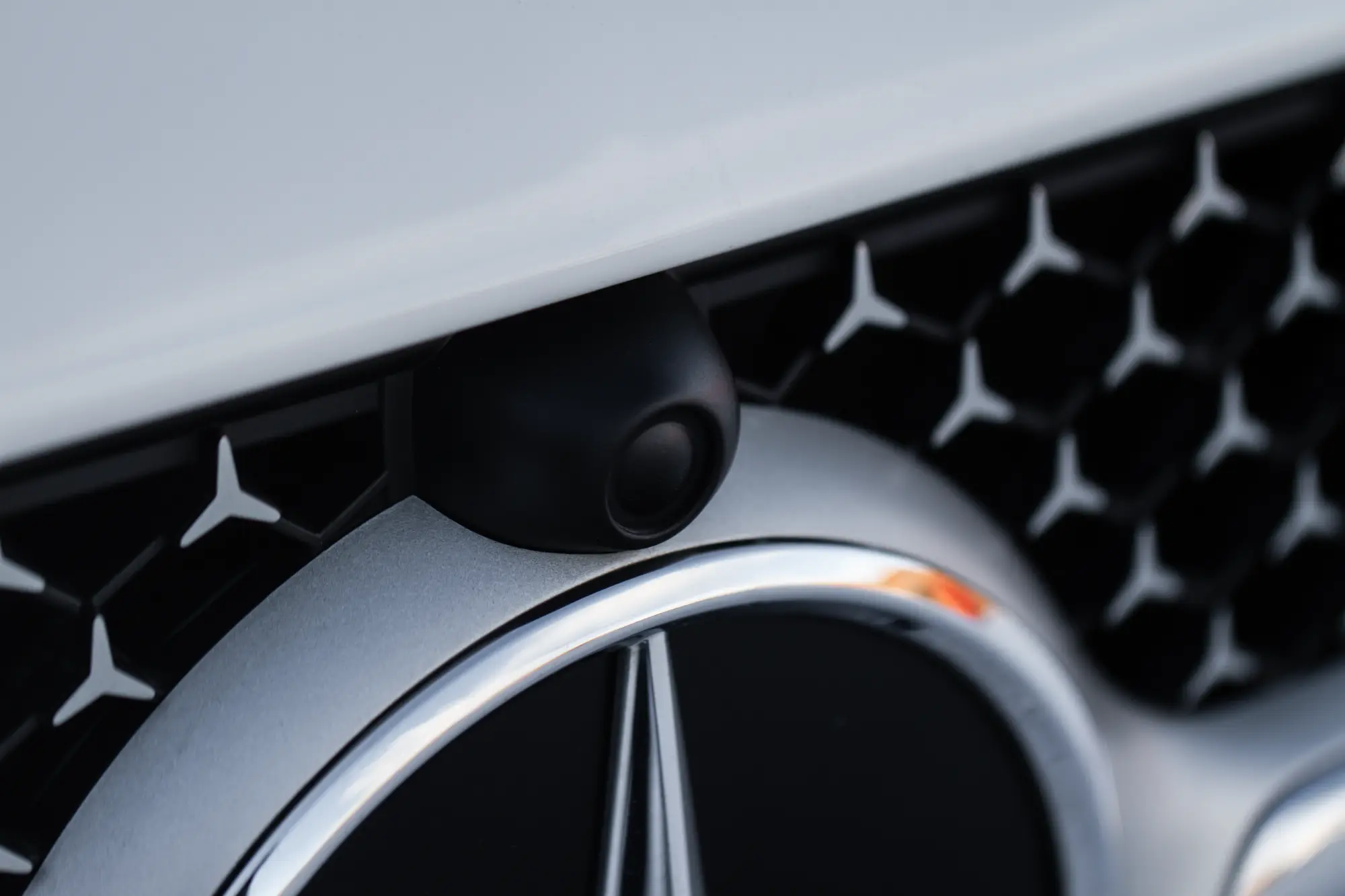
Close-up of the front section of a car, showing detailed features such as the grille, headlights, and body contours, with reflections highlighting the paint finish.

Ready to get started?

Explore More Services

About First Class Auto Glass

Get a Free Consultation

Suffolk County Camera Calibration

Complete ADAS Calibration Coverage

We calibrate all major ADAS systems including forward collision warning, lane departure warning, adaptive cruise control, automatic emergency braking, and traffic sign recognition. Our mobile service covers the entire Lynbrook area plus surrounding communities like Valley Stream, Rockville Centre, and Malverne.

Long Island drivers face unique challenges with heavy traffic on major highways and busy local roads like Merrick Road. Your safety systems need to work perfectly in stop-and-go traffic, during lane changes, and in the parking lots of Green Acres Mall or local shopping centers. We understand these driving patterns and calibrate your systems accordingly.

Insurance typically covers ADAS calibration when it’s required after windshield replacement. We handle the paperwork and work directly with your insurance company to minimize your out-of-pocket costs. Most customers pay only their deductible, and we’re approved by all major insurers including State Farm, Geico, and Allstate.

Graphic representation of an autonomous vehicle equipped with multiple sensors, cameras, and radar units detecting surrounding objects, pedestrians, and other vehicles on the road, with digital overlays illustrating detection zones and safety ranges.
Yes, absolutely. Nearly all vehicle manufacturers require ADAS calibration after windshield replacement. Your forward-facing cameras and sensors are precisely positioned to work with your original windshield’s exact specifications.When we install a new windshield, even tiny differences in positioning can throw off your safety systems. A camera that’s off by just one degree will misread distances by 8 feet at highway speeds. That could mean the difference between your automatic emergency braking stopping you safely or not engaging at all when you need it most.Your vehicle might not show any warning lights, but the systems won’t function properly without calibration. The dashboard might look normal, but your lane departure warning could miss lane changes, or your forward collision system might not brake in time. It’s not worth risking your family’s safety to save a few dollars on proper calibration.
Most calibrations take 1-3 hours depending on your vehicle’s systems. Simple single-camera setups might finish in an hour, while complex multi-camera systems with radar integration can take longer. Luxury vehicles like BMW, Mercedes, and Audi typically require more time due to their advanced systems.We perform both static and dynamic calibrations. Static calibration happens at your location using specialized targets and equipment. Dynamic calibration requires driving your vehicle under specific conditions to let the systems learn from real-world data on actual Long Island roads.Weather can affect the process. We can’t perform dynamic calibration in rain or snow, and static calibration needs proper lighting conditions. We’ll reschedule if conditions aren’t right rather than compromise the quality of your calibration. Your safety is worth waiting for perfect conditions.
Improperly calibrated ADAS systems can give false warnings, miss real hazards, or fail to activate when needed. Your lane departure warning might not detect when you’re drifting out of your lane on the LIE, or your forward collision system might not brake in time when traffic suddenly stops.Some systems might seem to work normally but actually be operating outside safe parameters. You won’t know there’s a problem until you need the system to protect you and it doesn’t respond correctly. This is especially dangerous in Long Island’s heavy traffic conditions where split-second reactions matter.Insurance companies are also starting to scrutinize ADAS calibration records after accidents. If your systems weren’t properly calibrated after windshield replacement, you could face coverage issues or liability concerns. Proper calibration protects both your safety and your insurance coverage.
No, ADAS calibration requires specialized equipment, training, and certification. Many auto glass shops can replace your windshield but can’t perform the required calibration afterward. This leaves you with non-functional safety systems.We invested in professional-grade calibration equipment and manufacturer-specific training. Each vehicle brand has different requirements—Toyota’s system works differently than Ford’s, and European vehicles have entirely different protocols. We maintain the tools and software needed for proper calibration across all major manufacturers.Some shops might claim they can “aim” your camera visually or skip calibration entirely. This is dangerous and leaves your safety systems non-functional. Always verify that your technician has proper calibration equipment and certification before letting them work on your vehicle.
Most comprehensive insurance policies cover ADAS calibration when it’s required after windshield replacement. The calibration is considered part of the repair process, not an optional add-on. This is especially important given that calibration can cost $300-800 depending on your vehicle’s systems.We work directly with insurance companies and handle all the paperwork for you. We’ll verify your coverage before starting work and get pre-authorization when needed. You typically only pay your deductible, and calibration costs are covered under your glass coverage.Some insurance companies have preferred providers, but you have the right to choose your own calibration technician. We’re approved by all major insurers and our claims don’t get rejected because we follow proper procedures and documentation requirements.
If your vehicle has any ADAS features and you’ve had windshield replacement, you need calibration. This includes forward collision warning, lane departure warning, adaptive cruise control, automatic emergency braking, or traffic sign recognition. Most vehicles from 2015 and newer have these systems.Look for cameras or sensors mounted behind your windshield, usually near the rearview mirror area. You might also see small boxes or sensors attached to the windshield itself. Your owner’s manual will list the ADAS features in your specific vehicle.Even if your dashboard doesn’t show warning lights, the systems likely need calibration. Many ADAS features will appear to work normally but actually be operating outside safe parameters. Don’t rely on the absence of warning lights to determine if calibration is needed—manufacturer requirements are clear about when calibration is necessary.